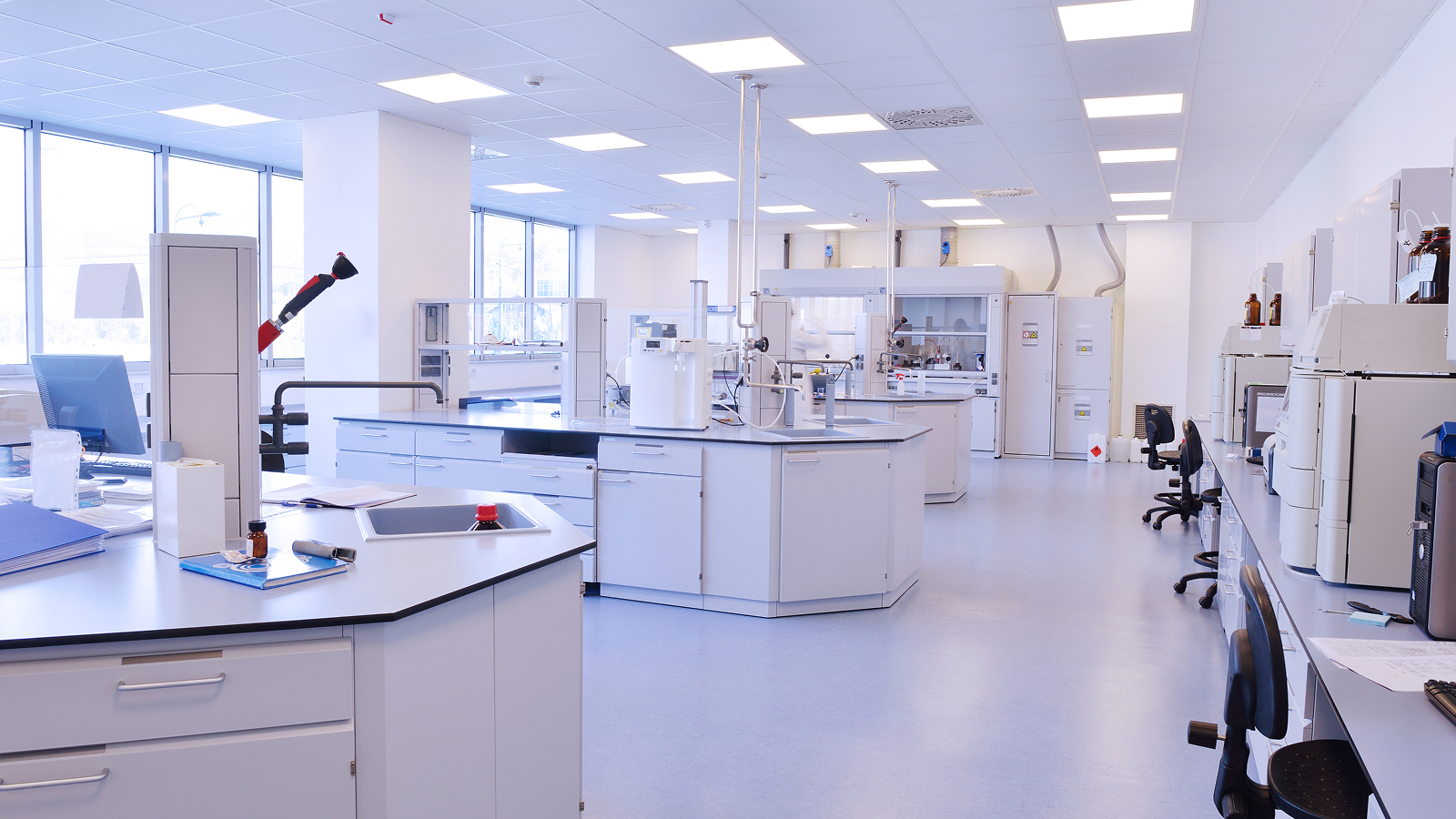
Top 20 Laboratory Safety Tips for Students and Professionals
Safety is the foundation of every successful laboratory—whether it’s a school chemistry lab or a cutting-edge research facility. The primary cause of lab accidents exists in basic organizational failures which include inadequate training and unsafe equipment handling. The application of established safety protocols enables students and professionals to safeguard themselves and their coworkers while protecting their work from potential hazards. Kewaunee International Group established laboratory safety requirements as a core element which they integrated into their workspace design and furniture selection and work procedures.
The guide provides 20 vital laboratory safety recommendations which help develop a safer workplace that boosts productivity for all staff members.
Why Laboratory Safety Matters
Laboratories contain chemicals, biological agents, sharp tools, electrical equipment, and pressurized systems. A small mistake can lead to injuries, contamination, or damage to expensive instruments. Practicing laboratory safety:
- Reduces accidents and health risks
- Protects equipment and experiments
- Ensures compliance with regulations
- Builds a culture of responsibility and professionalism
Top 20 Laboratory Safety Tips
1. Always Wear Appropriate PPE
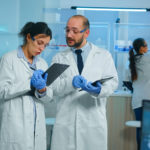
Personal protective equipment (PPE) such as lab coats, gloves, goggles, and face shields should be worn at all times when required. PPE creates the first line of defense against chemical splashes, spills, and airborne particles.
2. Understand the Hazards Before You Start
Before beginning any experiment, identify the hazards associated with chemicals, equipment, and procedures. Read Safety Data Sheets (SDS) carefully.
3. Never Eat or Drink in the Laboratory
Food and beverages can easily become contaminated. Consuming them in a lab increases the risk of ingesting harmful substances.
4. Label All Chemicals Clearly
Every container should have a proper label with the chemical name, concentration, and hazard symbols. Never rely on memory or color alone.
5. Use Fume Hoods for Volatile Substances
When working with toxic, flammable, or strong-smelling chemicals, always use a fume hood to prevent inhalation and exposure.
6. Keep Workspaces Clean and Organized
Clutter increases the risk of spills and accidents. Clean benches and return tools and reagents to their proper places after use.
7. Know Emergency Procedures
Be aware of:
- Emergency exits
- Fire extinguishers
- Eye wash stations
- Safety showers
- Spill kits
Practice drills so you can respond quickly during real emergencies.
8. Never Work Alone with Hazardous Materials
When dealing with dangerous chemicals or equipment, ensure someone else is nearby in case of an accident.
9. Handle Glassware with Care
Inspect glassware for cracks before use. Broken glass should be disposed of in designated containers, not regular trash bins.
10. Dispose of Waste Properly
Chemical, biological, and sharps waste must be segregated and disposed of according to institutional and regulatory guidelines.
Good Practices for Equipment and Furniture
11. Use Ergonomic and Stable Workstations
Proper bench height and seating reduce strain and fatigue. Well-designed Laboratory Furniture helps ensure correct posture and prevents accidents caused by instability.
12. Store Heavy Items Safely
Place heavy equipment and containers on lower shelves to reduce the risk of falling injuries.
13. Secure Gas Cylinders
Gas cylinders must always be chained or strapped securely to prevent tipping.
14. Avoid Improper Modifications
Do not alter equipment or fittings without approval. Unauthorized changes can compromise safety systems.
15. Maintain Clear Pathways
Aisles and emergency routes must remain unobstructed for safe movement and quick evacuation.
Personal Behavior and Responsibility
16. Avoid Distractions
Do not use mobile phones, headphones, or engage in horseplay while performing experiments. Focus is critical in a laboratory setting.
17. Tie Back Long Hair and Avoid Loose Clothing
Loose hair or clothing can catch fire or get entangled in moving equipment.
18. Report Accidents Immediately
Even small spills or injuries should be reported. Early reporting prevents minor issues from becoming major hazards.
19. Participate in Safety Training
Regular safety training refreshes knowledge and introduces new regulations or technologies.
20. Follow Standard Operating Procedures (SOPs)
SOPs exist to minimize risks. Never skip steps or take shortcuts during experiments or maintenance.
The Role of Design in Laboratory Safety
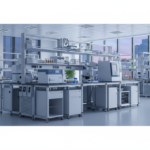
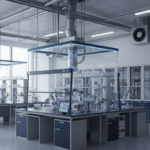
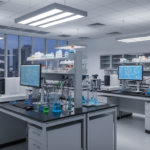
The design of laboratories plays a crucial role in establishing safety standards which extend beyond human conduct. All laboratory components need to function safely through their operational design. Modern Laboratory Furniture systems use modular designs which enable flexible workspace configurations that different work processes require while maintaining safety requirements. The selection of the right material depends on its ability to resist chemicals and withstand wear over time.
The smooth surfaces of High-quality Laboratory Furniture enable easy cleaning which helps to maintain hygienic conditions and reduce contamination risks. The combination of proper ventilation with ergonomic design creates a laboratory space which enhances both productivity and safety for users.
Building a Culture of Safety
Laboratory safety is most effective when it becomes part of daily habits rather than a checklist. Institutions should encourage:
- Open communication about risks
- Regular safety audits
- Leadership involvement
- Continuous improvement
Students should be trained early to respect laboratory rules, while professionals should set an example through disciplined practices. Over time, these habits form a culture where safety is second nature.
Conclusion
The implementation of 20 laboratory safety tips enables students and professionals to create a safer workplace which reduces operational risks. Safety extends beyond accident prevention because it enables scientists to work confidently and productively and with integrity. Proper laboratory design and high-quality equipment and dependable laboratory furniture create safe working conditions which become part of daily operations. The research enterprise achieves long-term success through today’s safety investments.
Contact us today to explore world-class laboratory infrastructure, equipment, and furniture solutions tailored to your needs.
Kewaunee International Group

Kewaunee, the global leader in total laboratory solutions, empowers organisations to achieve competitive advantage through safe, efficient, and contemporary laboratories. In existence since 1906, Kewaunee powers the laboratories for over 5,000 customers in more than 100 countries.









Comments are closed.