Engineering Calm Air: How Modern Design Is Making Fume Hoods Quieter, Smarter, and Safer
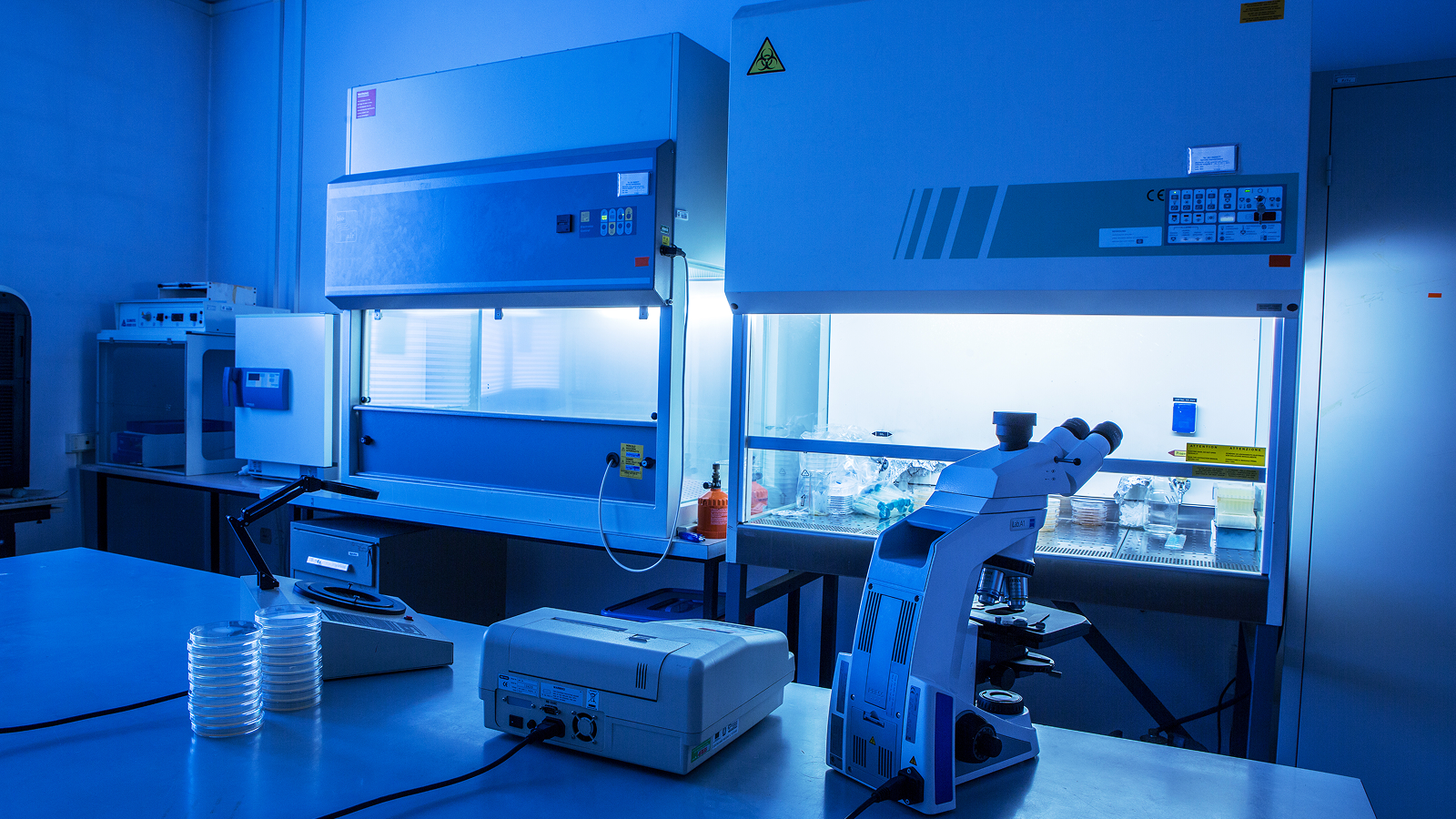
Walk into a busy laboratory and close your eyes for a moment. What you hear often defines the experience as much as what you see. The steady rush of air, low mechanical hums, and vibrations were once accepted as the background noise of scientific progress. Today, that expectation is changing. Modern laboratories are being designed to feel calmer, more intuitive, and more human-centric. At the heart of this transformation is the Fume Hood, evolving from a purely protective enclosure into a carefully engineered system that supports focus, safety, and efficiency.
This shift reflects a larger movement in laboratory design, where performance is no longer measured only by airflow numbers, but by how seamlessly safety integrates into everyday work.
Why Quiet Matters More Than Ever in Laboratories
Noise is more than just a nuisance. In research settings, it affects the very aspects that are the main reason for the existence of such a setting, i.e., concentration, precision, and wellness in the long run. Researchers and lab technicians usually put in a lot of time working on activities that require accuracy and sharpness in thinking. Continuous noise in the background can eventually produce the opposite effect of fatigue, low awareness, and even mistakes, to mention a few.
The design of the state-of-the-art research facility now considers sound as a primary criterion of performance. The designers target the weakening of the sound produced by the air flows, the vibrations on the building, and the noise from the exhaust and duct system. Eventually, the outcome is a laboratory with less interference from sound and able to produce more concentrated and undistracted researchers.
This meticulousness in managing noise is not a matter of providing comfort. It is a matter of making it possible for workers to perform their best, staying safe, and providing consistency.
Smarter Containment Through Better Engineering
Safety remains the primary purpose of laboratory containment systems, but the way safety is achieved has changed significantly. Earlier designs relied heavily on high air volumes to maintain protection. While effective, this approach was energy-intensive and often noisy.
Today’s containment philosophy is based on precision. Advanced airflow engineering maintains containment stability even at lower face velocities. Intelligent control systems respond dynamically to sash movement and usage patterns. This ensures that protection remains consistent without unnecessary energy consumption.
A modern Fume Hood operates as an adaptive system rather than a static box, adjusting itself to real-world laboratory behaviour instead of forcing users to adapt to it.
Energy Efficiency as a Design Responsibility
Laboratories are among the most energy-demanding spaces in any facility. Ventilation alone can account for a substantial portion of operational costs. As sustainability becomes a priority across industries, laboratory infrastructure must contribute to energy reduction goals without compromising safety.
Modern containment systems are designed with energy optimisation in mind. Improved aerodynamics reduce resistance. Controlled bypass options regulate airflow more precisely. Integration with building management systems allows better coordination between ventilation and HVAC performance.
These improvements deliver measurable benefits:
- Lower long-term energy costs
- Reduced environmental impact
- Improved thermal comfort within laboratory spaces
Energy efficiency is no longer a secondary advantage. It is a core design responsibility.
Materials That Support Safety and Longevity
Design innovation is not limited to airflow and controls only. The choice of materials significantly influences the longevity of the containment systems. The interiors are now composed of materials that are corrosion-resistant, easy to clean, able to withstand aggressive chemicals, and frequent cleaning cycles.
With the seamless welded joints, smooth interior finishes, and chemical-resistant liners, decontamination is made easier and maintenance is also reduced. These features are of great importance in the case of environments that deal with hazardous substances, radioactive materials, or specialised chemical processes.
Materials that are durable offer more than just an increase in the life of the product. They protect people who are using the product, they cause less downtime, and they keep the laboratory at its highest standard even after many years of use.
Designing Around Real Human Behaviour
One of the most important changes in modern laboratory engineering is a shift toward empathy-driven design. Instead of assuming ideal usage patterns, engineers now design systems around how scientists actually work.
Key improvements include:
- Ergonomic sash operation for reduced strain
- Clear sightlines for better visibility and safety
- Intuitive controls positioned for ease of use
- Integrated lighting that eliminates shadows
When safety systems are comfortable and intuitive, compliance improves naturally. Researchers are more likely to use equipment correctly when it supports their workflow rather than interrupting it.
Global Standards Driving Continuous Improvement
The impact of international safety standards on laboratory design has been profound. Performance-based testing has taken the place of simple specification checklists and the systems are now put to a test to prove their real-world effectiveness in containment.
This change has lured manufacturers to pour money into testing, validation and ongoing improvement. So, the laboratories would get solutions that are meeting the regulations and also the ones that are guaranteed to perform under actual operating conditions.
With the globalization of companies, the need for the uniformity of safety performance of the company across different regions has become a crucial factor. That is where high standards come in, they provide that assurance.
Engineering Experience That Scales
Delivering quieter, smarter, and safer laboratory systems consistently requires more than innovation. It demands manufacturing discipline, quality control, and decades of domain expertise.
Kewaunee brings this experience to every project, combining engineering precision with a deep understanding of laboratory operations. By integrating product design, infrastructure execution, and technology, Kewaunee supports laboratories that perform reliably across diverse industries and geographies.
This holistic approach ensures that design intent translates into real-world performance.
Looking Ahead: The Future of Laboratory Calm
As research environments continue to evolve, containment systems will become even more intelligent and connected. Digital monitoring, data-driven performance optimisation, and integration with smart building systems will further enhance safety and efficiency.
Yet the core objective remains unchanged. Protect people while enabling scientific progress. The modern Fume Hood represents this balance perfectly, delivering protection that feels effortless rather than intrusive.
Conclusion
Laboratory safety no longer needs to come at the cost of comfort or efficiency. Through thoughtful engineering, modern containment systems have become quieter, smarter, and more responsive to human needs. The evolution of the Fume Hood reflects a broader shift toward laboratories that support focus, sustainability, and long-term performance. Calm air is no longer a luxury. It is a design standard.
Reach out to our team today to start the conversation.
Kewaunee International Group

Kewaunee, the global leader in total laboratory solutions, empowers organisations to achieve competitive advantage through safe, efficient, and contemporary laboratories. In existence since 1906, Kewaunee powers the laboratories for over 5,000 customers in more than 100 countries.









Comments are closed.