Smart Safety: How Intelligent Fume Hoods Are Transforming Laboratory Work
What if your fume hood was able to give you a warning before a leak happened?
Fume hoods have been the silent but reliable laboratory companions for many years—they are boxes that are strong and dependable and they repel all the potentially dangerous fumes, vapors, and solid particles from researchers.
However, it is gradually changing.
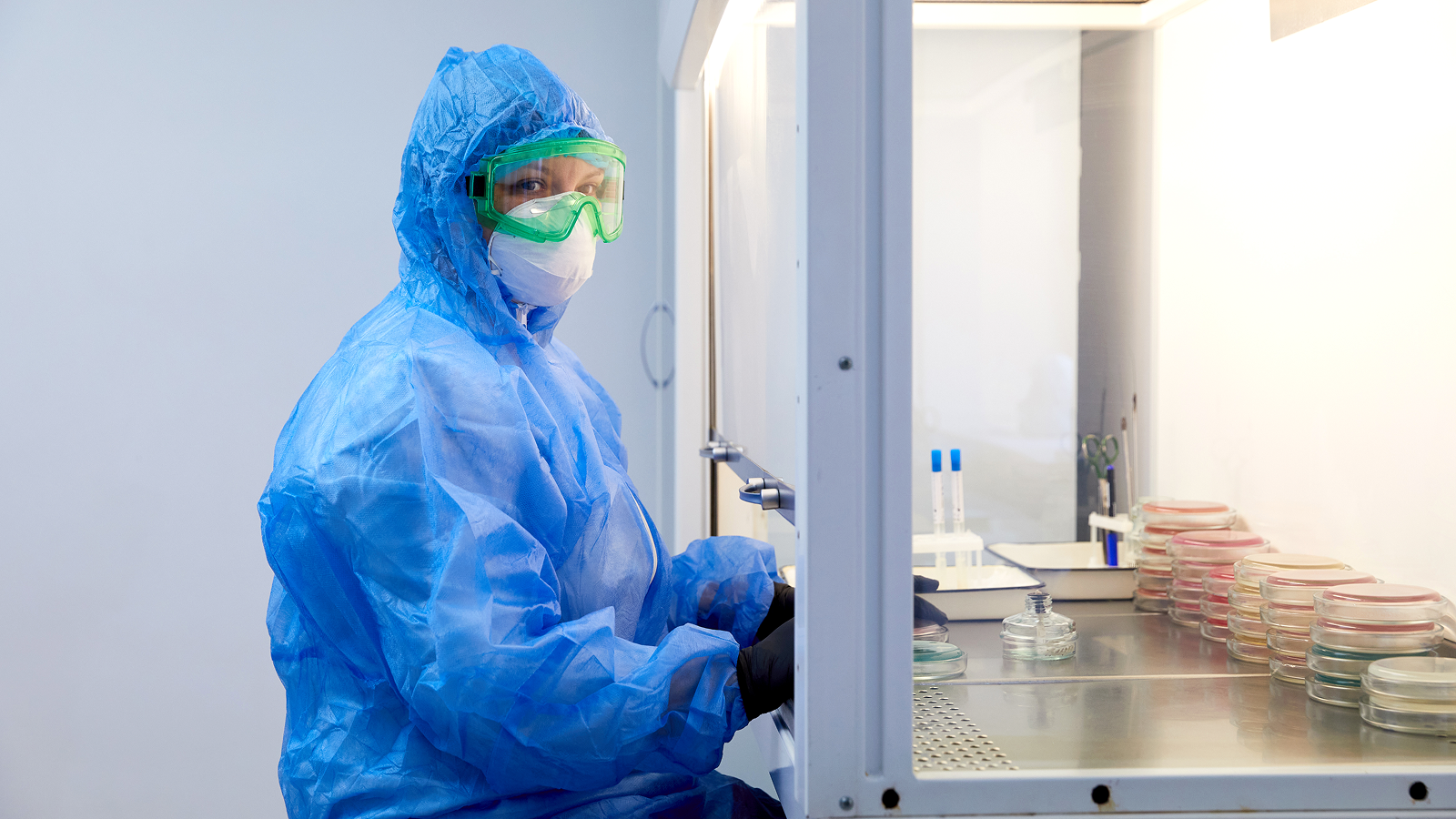
We are now at the point of an intelligent fume hood revolution where the new generation of fume hoods is more intelligent, responsive, and safer than ever before. These fume hoods have become more than just ventilation boxes. They are now active safety systems in the lab equipped with monitoring sensors technologies, automation, and AI-powered alerts that will detect the problems, control the airflow, and even let the users know before a risky situation happens.
Kewaunee has been involved in the design and building of laboratories worldwide for over a hundred years. We have experienced how the transition to smart and data-driven technology affects the safety aspects of modern laboratories.
Let’s examine more closely how intelligent fume hoods are at the forefront of this transformation.
1. From Passive Containment to Active Protection
A conventional fume hood relies on a very basic principle—the drawing of polluted air away from the operator and exhausting it outside. However, once it is installed and switched on, it is more or less reactive. It does not alert you if something is wrong until you have detected it yourself.
Conversely, smart fume hoods think and react. They are constantly monitoring airflow, face velocity, and sash position through the inbuilt sensors. In case of a drop in airflow to a dangerous level or when the sash is left open for a long period, the hood triggers the alarm and also takes the action of adjusting itself for the sake of containment.
It is almost like having a highly attentive lab mate who never closes his eyes.
2. Automation That Eliminates Small Mistakes
In the laboratory, minute errors may cause major problems. An instant of inattention—keeping a sash open or not responding to an airflow alarm—can result in either exposure or contamination. Through automation, intelligent fume hoods reduce these human errors to zero.
When the operator leaves the area, the auto-sash system automatically lowers the sash, thereby saving electricity and minimizing the likelihood of a containment breach. As the working conditions change, smart airflow management alters the suction dynamically. All these automatic measures together make the laboratory a quieter, safer, and more productive place—without any extra strain on the scientist.
3. Smarter Energy Use for Sustainable Labs
Fume hoods are a must-have for the lab but they definitely come with a hefty price tag in terms of energy consumption. A single standard fume hood can use as much electricity as a few homes throughout the year. However, the smart fume hoods are a perfect solution to these problems. These fume hoods continuously monitor the situation and also control the airflow accordingly. Thus, they have a very minimal energy consumption.
In many instances, this means saving up to 50% on energy bills. For laboratories that are trying to reach their sustainability targets, this is a huge cut in both costs and environmental footprints. A case in point is Kewaunee’s Venturi fume hoods which are designed to provide this kind of balance—maximum protection with the least amount of energy consumed.
4. Data That Drives Better Decisions
Data-driven performance is one of the most significant changes in the management of laboratories today. Intelligent fume hoods are capable of measuring and recording everything from their usage—flow rates, energy use, maintenance cycles, and even sash movement. Lab managers can then use this data to identify patterns and take measures to avert problems prior to it impacting the work.
In case the airflow performance of a fume hood starts to drop, it will be notified as soon as possible. If one particular hood has been largely used, the usage could be re-distributed by making an adjustment. Through this process, safety is transformed from being merely checked when issues arise into a measurable, traceable, and proactive entity.
5. AI Alerts and Predictive Safety
The use of artificial intelligence in laboratories is one of the safety measures that are being implemented quietly. The modern fume hoods are able to inspect the past performance data and detect minor indications of a problem—like filter clogging or airflow slowing down—before they become hazards.
At that point, the hood issues a warning which is based on prediction, thus allowing the maintenance crew to remedy the situation before it endangers users. Such a feature of prediction transforms a previously reactive device into an intelligent safety system that safeguards people as well as productivity.
6. Designed for Every Laboratory
No two laboratories are the same, and neither are their safety needs. Kewaunee offers intelligent fume hoods across a full spectrum of designs and applications:
- Benchtop Fume Hoods for smaller, routine chemical work.
- Distillation Fume Hoods with extra height for tall apparatus.
- Floor-Mounted or Walk-In Hoods for handling large equipment and containers.
- Radioisotope and Perchloric Acid Hoods with specialized materials for radiation or corrosive applications.
Each is designed to meet international safety standards like ASHRAE 110-2016 and EN 14175-3, ensuring reliability no matter the experiment or environment.
7. Full Lifecycle Support: Beyond the Product
Even the best pieces of equipment require expert planning, installation, and maintenance. For this reason, Kewaunee does produce fume hoods and also provides complete laboratory solutions.
Our people are involved from consulting and designing through to turnkey implementation and running operations, making sure that every fume hood stays safe and effective for many years. The partnership is characterized by reliance, meticulousness, and common dedication to progress.
Conclusion
The fume hood’s function in the laboratory has changed and it is no longer the same. A protective barrier that only worked mechanically is now an astute guardian—armed with sensors, automation and AI-monitoring which enhances safety and also modifies efficiency and sustainability at the same time.
The human element is not taken away by intelligent fume hoods, rather it is improved. They let researchers divert their attention from protection to discovery while the technology that is present takes care of protection.
Kewaunee’s intelligent fume hoods are leading the way, standing at the forefront of laboratories that are stepping into the era of smart science—proving that the strongest and smartest labs are the most secure ones.
Contact us today to know how intelligent fume hoods can make your lab safer and more efficient.
Kewaunee International Group

Kewaunee, the global leader in total laboratory solutions, empowers organisations to achieve competitive advantage through safe, efficient, and contemporary laboratories. In existence since 1906, Kewaunee powers the laboratories for over 5,000 customers in more than 100 countries.









Comments are closed.