Biosafety Cabinet vs Fume Hood: What Kewaunee Recommends for Your Lab Safety Needs
In the lab, it’s not enough to just follow the rules; you also have to protect the people who work there, the environment around the lab, and the whole lab itself. The biosafety cabinet and fume hoods are the two most common pieces of equipment for lab safety. At first glance, they may look the same, but they serve quite different purposes. In order to set up a safe and productive lab, it’s vital to know the differences between the two. Kewaunee is a world leader in laboratory solutions and will help you choose the one that works best for your needs.
In today’s labs, where new ideas often come with a lot of risk, it’s important to know what each safety device does and why it’s there. A smart option keeps people safe, improves the quality of research, makes sure that rules are followed, and protects expensive equipment and supplies.
By using the correct confinement technology for the right job, labs may create a space that protects people while also allowing them to make progress. What makes great labs different is that they put knowledge and safety together. This is the main idea behind Kewaunee‘s approach to lab design and engineering.
What is a Biosafety Cabinet?
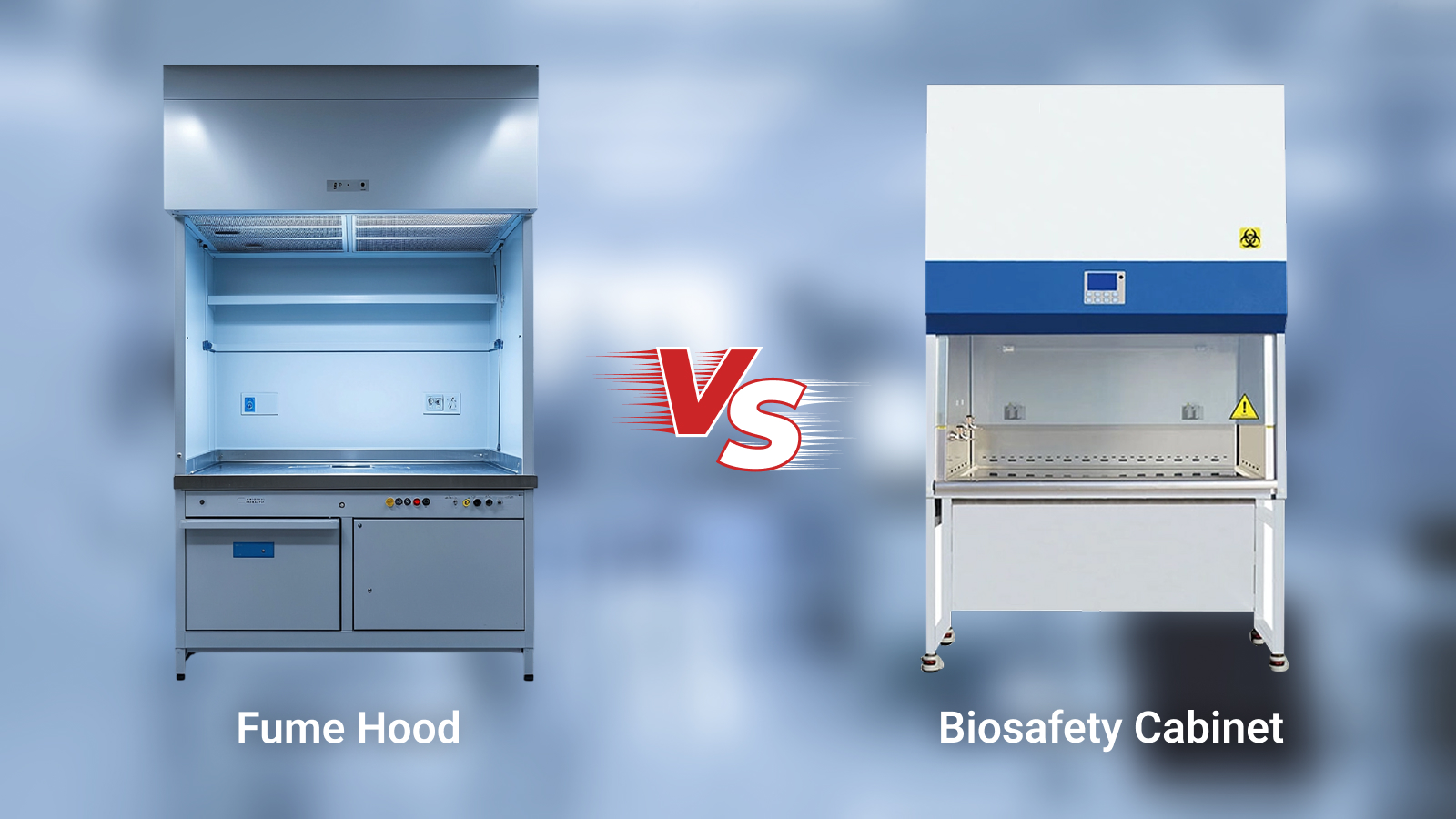
A biosafety cabinet, or BSC, is made to protect three things: the samples, the lab worker, and the surroundings. BSCs are work environments that are covered and have good air flow. They use HEPA (High-Efficiency Particulate Air) filters to catch harmful particles. This is why they are so good at getting rid of viruses, bacteria, and other germs.
Class II biosafety cabinets are most often found in research labs. They have a sash that opens from the front and air that flows down to keep the area safe and clean. The air that comes in keeps pollutants inside, and the HEPA-filtered air protects both the samples and the environment as a whole. These cabinets are very important for microbiology, clinical research, and virology labs because they help keep workers safe and make sure their work is accurate.
In addition to keeping things safe, these cabinets help labs run more smoothly by keeping controlled settings for delicate operations, lowering the risk of losing samples, and making sure that experiments always have the same results. Their ergonomic design makes sure that users are comfortable, so researchers may do long activities securely and productively without losing focus or accuracy.
What is a Fume Hood?
The main purpose of a fume hood is to protect the lab worker from the harmful effects of chemical vapours. A fume hood doesn’t protect samples from contamination like a Biosafety Cabinet vs Fume Hood does. Instead, it keeps the user safe from hazardous fumes and vapours.
Fume hoods take in air from the operator and either release it out of the building or run it through special filters. People often use them in chemical, pharmaceutical, or industrial labs where they work with chemicals that are dangerous, combustible, or unstable. Modern fume hoods might have ventilation systems that use less energy and coatings that protect against chemicals.
Why the Difference Matters
The most important thing that sets a biosafety cabinet apart from a fume hood is the type of protection it offers. A BSC protects the worker, the environment, and the sample, while a fume hood mainly protects the worker and the environment. This means that it’s very important to make sure you have the correct equipment for the job.
For instance, using a fume hood to handle biological agents could damage the sample, and utilising a biosafety cabinet to handle chemicals that are very unstable could be harmful. It’s also important to know how air moves. BSCs employ laminar airflow that goes down and in, while fume hoods use horizontal or vertical airflow to properly get rid of chemical vapours.
Kewaunee’s Recommendations
Kewaunee noted that the correct safety gear depends on what you’re doing. If your lab works with dangerous biological agents, you need a biosafety cabinet. Kewaunee’s Class II Interceptor BSCs use HEPA filters, an ergonomic design, and the most up-to-date airflow technology to keep humans and samples as safe as possible.
A good fume hood is particularly important for chemical labs, especially if they work with substances that can catch fire or blow up. Biosafety Cabinet vs Fume Hood keep the air circulating, which gets rid of harmful vapours and makes the lab safe.
The safest method to conduct things in labs that deal with both biological and chemical threats is to use both BSCs and fume hoods at the same time. This keeps one form of risk from getting out of hand without putting people or the samples in danger.
Conclusion
It’s not enough to just pick the right lab safety gear. Both fume hoods and biosafety cabinets are very crucial for keeping labs safe, but they protect against different types of dangers. You need to know which one to use and when to construct a lab that is safe, useful, and respects the regulations.
Kewaunee makes the best class II biosafety cabinets and fume hoods that operate properly. Choosing the right solution for your lab can assist keep your personnel secure, protect your specimens, and make the workplace safe and productive.
Get in touch with us today to find out more about Kewaunee’s fume hoods and biosafety cabinets.
Kewaunee International Group

Kewaunee, the global leader in total laboratory solutions, empowers organisations to achieve competitive advantage through safe, efficient, and contemporary laboratories. In existence since 1906, Kewaunee powers the laboratories for over 5,000 customers in more than 100 countries.









Comments are closed.