Biosafety Levels in Laboratories: How They Determine Protective Measures
The modern laboratories establish three main priorities which include safety measures, contamination control and environmental protection practices. Researchers handle biological agents together with chemical reagents and hazardous materials which present severe dangers when handled incorrectly. The laboratory maintains its safe environment through the implementation of biological safety cabinets which function as its most efficient security measure.
The Class II biological safety cabinets at Kewaunee International Group combine three elements to create a solution which protects people, materials and maintains environmental safety through their advanced engineering, ergonomic design and compliance to international safety standards.
What Are Biological Safety Cabinets?
A biological safety cabinet establishes a secure working environment through its sealed structure and its capability to control airflow. The system uses three protective measures to safeguard users, controlled materials and the neighboring environment.
Key Benefits of Biological Safety Cabinets:
- Personnel Protection: Prevents exposure to infectious or hazardous biological materials.
- Product Protection: Ensures samples remain free from external contamination.
- Environmental Protection: Prevents potentially dangerous agents from escaping into the laboratory or wider environment.
Biological safety cabinets are essential in microbiology, pharmaceutical research, biotechnology, and clinical laboratories, where precise containment is critical.
How Do Biological Safety Cabinets Work?
Class II biological safety cabinets, the most widely used type, operate through a combination of inward airflow, downward laminar flow, and HEPA filtration:
- HEPA Filtration: High-Efficiency Particulate Air (HEPA) filters capture particles as small as 0.3 microns, effectively removing bacteria, viruses, and spores from the air.
- Downward Laminar Airflow: Clean air flows downward across the work surface, maintaining a sterile environment and protecting samples.
- Inward Airflow: Air is drawn through the front access opening, preventing contaminants from leaving the cabinet and entering the lab.
- Exhaust Filtration: Air exiting the cabinet is filtered, ensuring that hazardous agents are not released into the environment.
This advanced airflow system creates a meticulously controlled workspace, allowing scientists to focus on experiments without compromising safety.
Types of Class II Biological Safety Cabinets
Kewaunee offers multiple variants of Class II biological safety cabinets to meet diverse laboratory requirements:
Class II Type A2
- Recirculates HEPA-filtered air within the cabinet.
- Can exhaust some or all air back into the lab.
- Ideal for general microbiology and research applications.
- Minimum inflow: 100 FPM (0.5 m/s).
Class II Type B2
- 100% exhaust of HEPA-filtered air; no internal recirculation.
- Suitable for toxic chemicals or volatile biological materials.
- Ensures maximum environmental protection.
- Minimum inflow: 100 FPM (0.5 m/s).
Selecting the appropriate type ensures maximum containment and safety for both personnel and the environment.
Key Features of Kewaunee Biological Safety Cabinets
- Ergonomic Design: Comfortable armrests, optimal work height, and spacious interiors reduce fatigue during long experiments.
- Advanced HEPA Filtration: Protects samples and personnel by removing 99.97% of airborne contaminants.
- User-Friendly Controls: Touch-screen panels allow easy monitoring and adjustments.
- Durable Construction: Made from chemical-resistant and easy-to-clean materials for long-lasting use.
- Integrated LED Lighting: Ensures consistent visibility without heat interference.
- Compliance with Global Standards: Certified to NSF/ANSI 49-2014 and UL 61010-1, guaranteeing safety and reliability.
These features make Kewaunee biological safety cabinets a trusted choice for laboratories worldwide, providing consistent protection and operational efficiency.
Applications of Biological Safety Cabinets
Biological safety cabinets are used across multiple laboratory settings, including:
- Microbiology Labs: Handling bacterial, viral, or fungal cultures.
- Clinical and Diagnostic Labs: Safely processing patient samples.
- Pharmaceutical and Biotech R&D: Preparing sterile products or handling sensitive biological materials.
- Academic and Research Institutions: Training students while maintaining strict safety protocols.
In all applications, these cabinets protect personnel, samples, and the environment, making them a critical component of laboratory safety infrastructure.
Best Practices for Using Biological Safety Cabinets
To maximize the effectiveness of biological safety cabinets, laboratories should follow these best practices:
- Keep the workspace uncluttered to maintain proper airflow.
- Minimize rapid movements in front of the cabinet, which can disturb laminar airflow.
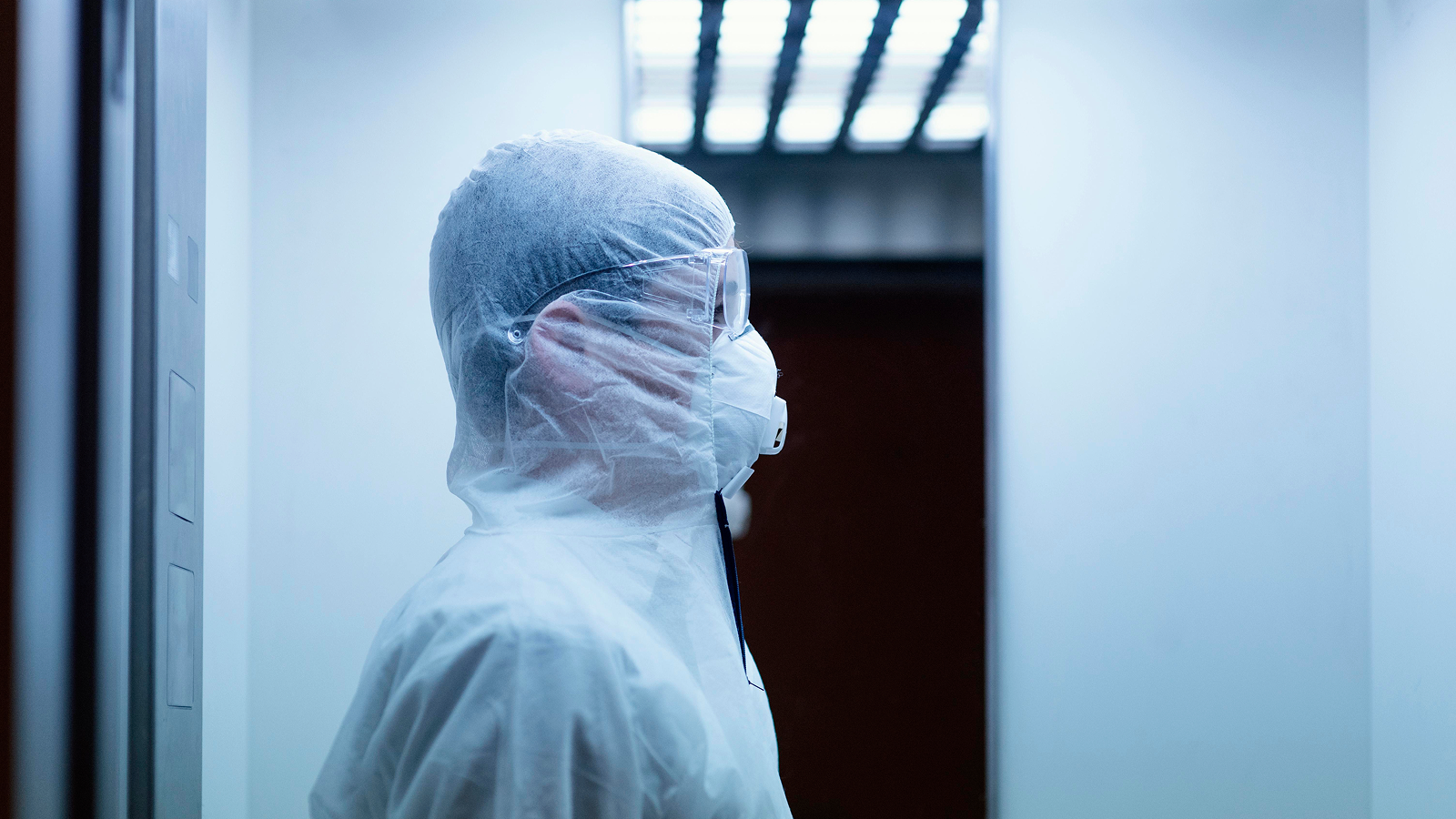
- Wear appropriate PPE, including gloves, lab coats, and eye protection.
- Ensure regular maintenance and certification of HEPA filters.
- Handle waste properly using designated containers.
- Never block the air vents or front sash.
Following these practices ensures the safety cabinets perform at peak efficiency, providing continuous protection.
Why Choose Kewaunee Biological Safety Cabinets
Kewaunee has decades of experience delivering laboratory solutions worldwide. Our Interceptor BSCs combine:
- Reliability: Consistent performance and robust containment.
- Ergonomics: Designed for comfort during long working hours.
- Environmental Safety: HEPA filtration protects both lab users and surroundings.
- Compliance: Certified to meet stringent international safety standards.
With Kewaunee, laboratories gain a trusted partner for biosafety, ensuring safety, efficiency, and peace of mind for researchers and staff.
Conclusion
Biological safety cabinets function as essential equipment in contemporary laboratories because they protect laboratory personnel and their research materials and surrounding environment. Kewaunee Class II BSCs establish laboratory safety and contamination control standards through the combination of advanced HEPA filtration systems with controlled airflow, ergonomic design and compliance with safety regulations.
The correct biological safety cabinet enables laboratories to conduct safe and efficient operations while working with both microbial cultures, dangerous biological materials and fragile pharmaceutical products.
Contact us today for more information, guidance, or to select the right model for your laboratory.
Kewaunee International Group

Kewaunee, the global leader in total laboratory solutions, empowers organisations to achieve competitive advantage through safe, efficient, and contemporary laboratories. In existence since 1906, Kewaunee powers the laboratories for over 5,000 customers in more than 100 countries.









Comments are closed.