Next-Gen Labs: Designing for People, Planet, and Performance
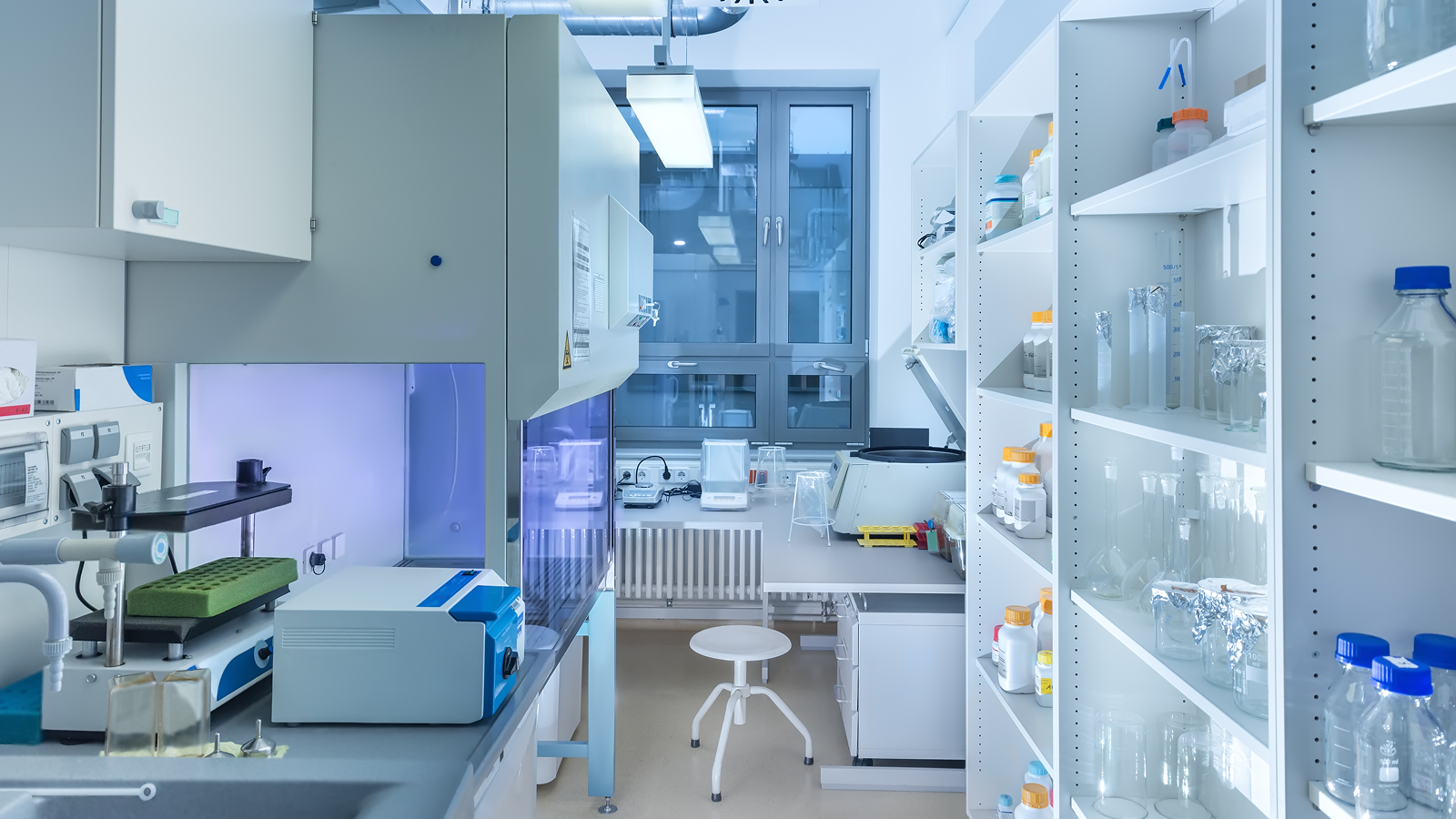
Walk into a modern laboratory today and you will notice something different immediately. It is not just the equipment or the technology. It is the feeling. The space feels intentional. Calmer. More human. This is not by accident. Across the world, laboratories are being reimagined to support the people who work in them, reduce their environmental impact, and deliver consistently high performance.
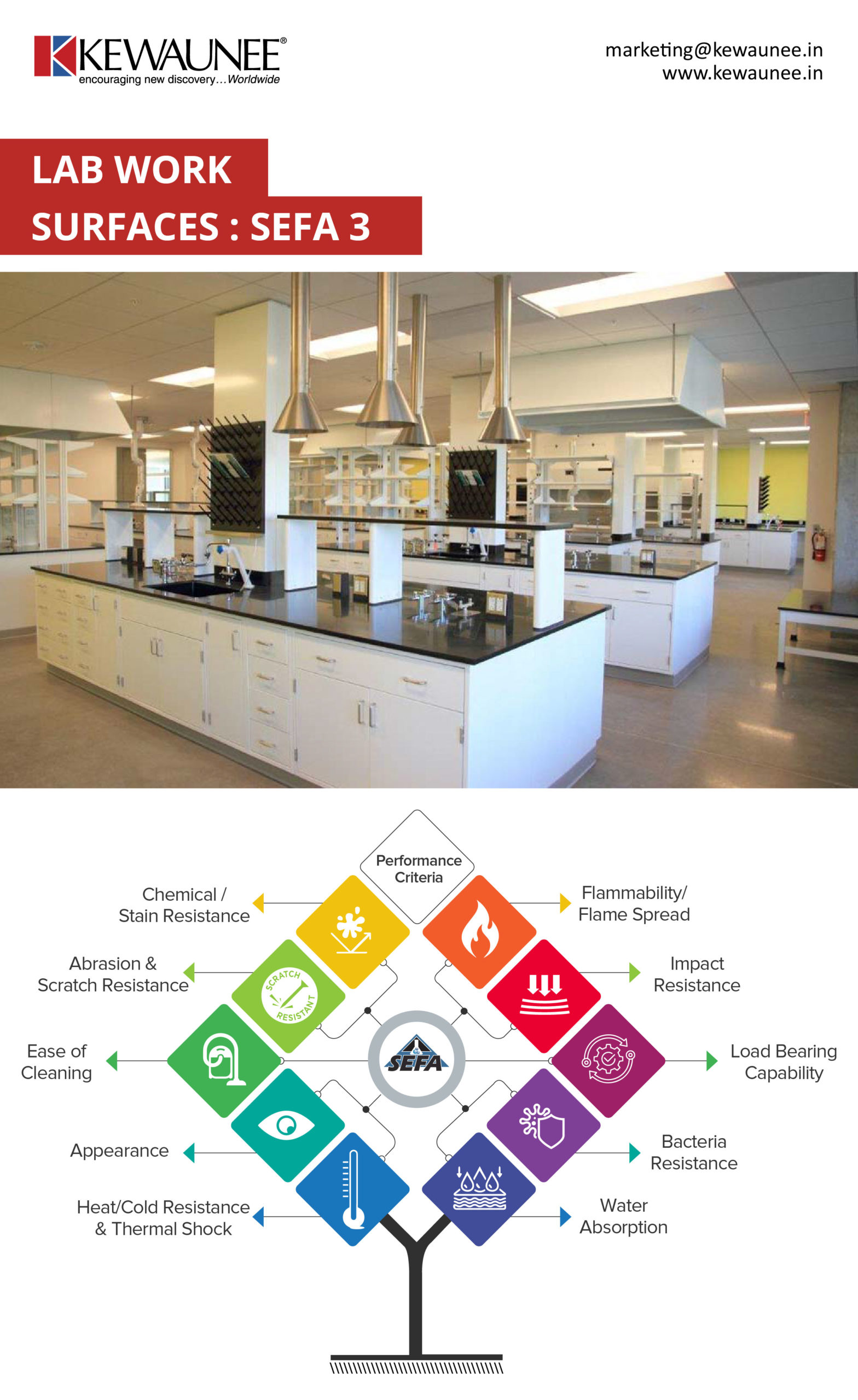
This shift marks the arrival of next-generation laboratories. No longer built only around processes and compliance, these spaces are designed around experience, responsibility, and results. At the core of this transformation is Lab Design, evolving from a technical requirement into a strategic advantage.
Why Traditional Labs Are No Longer Enough
For ages, thoughtful planning of laboratory space applied an established formula. Make room for the instruments. Follow the laws. Get the most out. It was workable, but still it was ignoring most of the daily scenarios of the scientists, engineers, and technicians who are the ones having these places of work for long hours.
But now research has gone beyond this. The brought-together teams are interdisciplinary. The complexity of the experiments has increased. Besides, in addition to the above, the organizations are also facing the problem of cutting down on energy consumption and the need for better sustainability which has been imposed on them by the regulators.
Heard of them before? Are they stuck in the old ways or have they already adopted the new? Next-gen labs are answering this challenge by putting people, planet, and performance at the same level.
Designing for People: The Human-Centered Lab
The most advanced laboratories start with a simple question: how do people actually work here?
Human-centered design recognises that productivity depends on comfort, safety, and clarity. When scientists feel supported by their environment, they make fewer errors, collaborate more effectively, and sustain focus for longer periods.
Key people-first design principles include:
- Ergonomic planning to reduce strain during repetitive tasks
- Clear sightlines and zoning for better awareness and movement
- Acoustic control to minimise background noise and fatigue
- Intuitive workflows that reduce unnecessary steps
In next-generation facilities, Lab Design considers not just equipment placement, but how people move, interact, and think throughout the day.
Designing for the Planet: Sustainability as a Core Principle
Laboratories are energy-intensive by nature. Ventilation systems, temperature control, and specialised equipment consume significant resources. In the past, sustainability was often treated as an afterthought.
That approach has changed.
Modern labs are designed with sustainability embedded from the earliest planning stages. Energy-efficient ventilation strategies, smarter airflow management, and optimized layouts reduce environmental impact without compromising safety.
Sustainable lab design strategies often focus on:
- Reducing energy loads through efficient airflow planning
- Selecting durable, low-maintenance materials
- Designing flexible spaces that adapt over time instead of requiring rebuilds
- Supporting green building certifications and compliance goals
By aligning environmental responsibility with operational efficiency, next-gen labs demonstrate that sustainability and performance can coexist.
Designing for Performance: Spaces That Deliver Results
Performance in a laboratory is not only about output volume. It is about consistency, accuracy, and reliability over time. Poorly planned spaces introduce friction. Bottlenecks slow work. Safety risks increase.
Next-generation laboratories are engineered for performance at every level. Layouts are designed to support smooth workflows. Systems are coordinated to work together rather than in isolation. Growth and change are anticipated rather than resisted.
A performance-driven Lab Design ensures that laboratories remain effective as research evolves, new technologies are introduced, and teams expand.
Flexibility: The Hallmark of Next-Gen Labs
One of the defining features of modern laboratory environments is flexibility. Research priorities change. Equipment evolves. Teams scale up or down. Fixed layouts quickly become limitations.
Next-gen labs embrace modularity and adaptability. Furniture systems, service distribution, and spatial planning are designed to accommodate change with minimal disruption. This reduces downtime and protects long-term investment.
Flexibility is not about designing for every possible future. It is about designing for change itself.
Technology as an Enabler, Not a Distraction
Advanced laboratories increasingly integrate digital tools and smart systems. Monitoring, automation, and data-driven insights improve safety and efficiency. However, technology only adds value when it is thoughtfully integrated.
Poorly implemented systems create complexity instead of clarity. Next-gen labs treat technology as a silent enabler rather than a focal point. Systems support decision-making, maintenance, and safety without overwhelming users.
The goal is seamless operation, not constant interaction.
Aligning Compliance with Experience
Compliance remains non-negotiable in laboratory environments. Regulations govern everything from ventilation to materials to documentation. The challenge is meeting these requirements without creating rigid, uncomfortable spaces.
Modern planning approaches demonstrate that compliance and experience are not opposing forces. When integrated early, regulatory requirements can actually enhance clarity and safety.
A well-executed Lab Design aligns compliance seamlessly with daily operations, reducing stress during audits and inspections while maintaining a positive work environment.
Experience That Makes the Difference
To design laboratories that give equal importance to the people, planet, and performance, one needs to have in-depth knowledge of the subject. It requires knowing how labs operate in different sectors, locations, and under various rules and regulations.
Kewaunee’s 120+ years of experience in laboratories is a great asset in this regard. By pooling design knowledge, engineering rigor, and operational comprehension, the firm aids clients in constructing laboratories that are meeting the standards and are productive, but also tough and ready for the future.
Such a professional practice paves the way for next-generation laboratories to be built from the ground up while keeping in view the ultimate objectives.
The Business Case for Better Labs
Investing in next-generation laboratories delivers measurable returns. Improved productivity, lower energy costs, reduced maintenance, and better talent retention all contribute to long-term value.
Scientists want to work in environments that respect their time, safety, and wellbeing. Organisations that prioritise thoughtful design gain a competitive edge in attracting and retaining skilled professionals.
In this context, Lab Design becomes a strategic business decision rather than a purely technical one.
Conclusion
Next-generation laboratories represent a fundamental shift in how research spaces are conceived. By designing for people, protecting the planet, and enabling performance, organisations are creating environments that support discovery today and adaptability tomorrow. The future of laboratory infrastructure lies in spaces that feel as intelligent as the work they support.
Get in touch with our experts to start building a laboratory ready for the next generation of science.
Kewaunee International Group

Kewaunee, the global leader in total laboratory solutions, empowers organisations to achieve competitive advantage through safe, efficient, and contemporary laboratories. In existence since 1906, Kewaunee powers the laboratories for over 5,000 customers in more than 100 countries.









Comments are closed.