What Is a Laminar Air Flow Cabinet? A Complete Beginner’s Guide
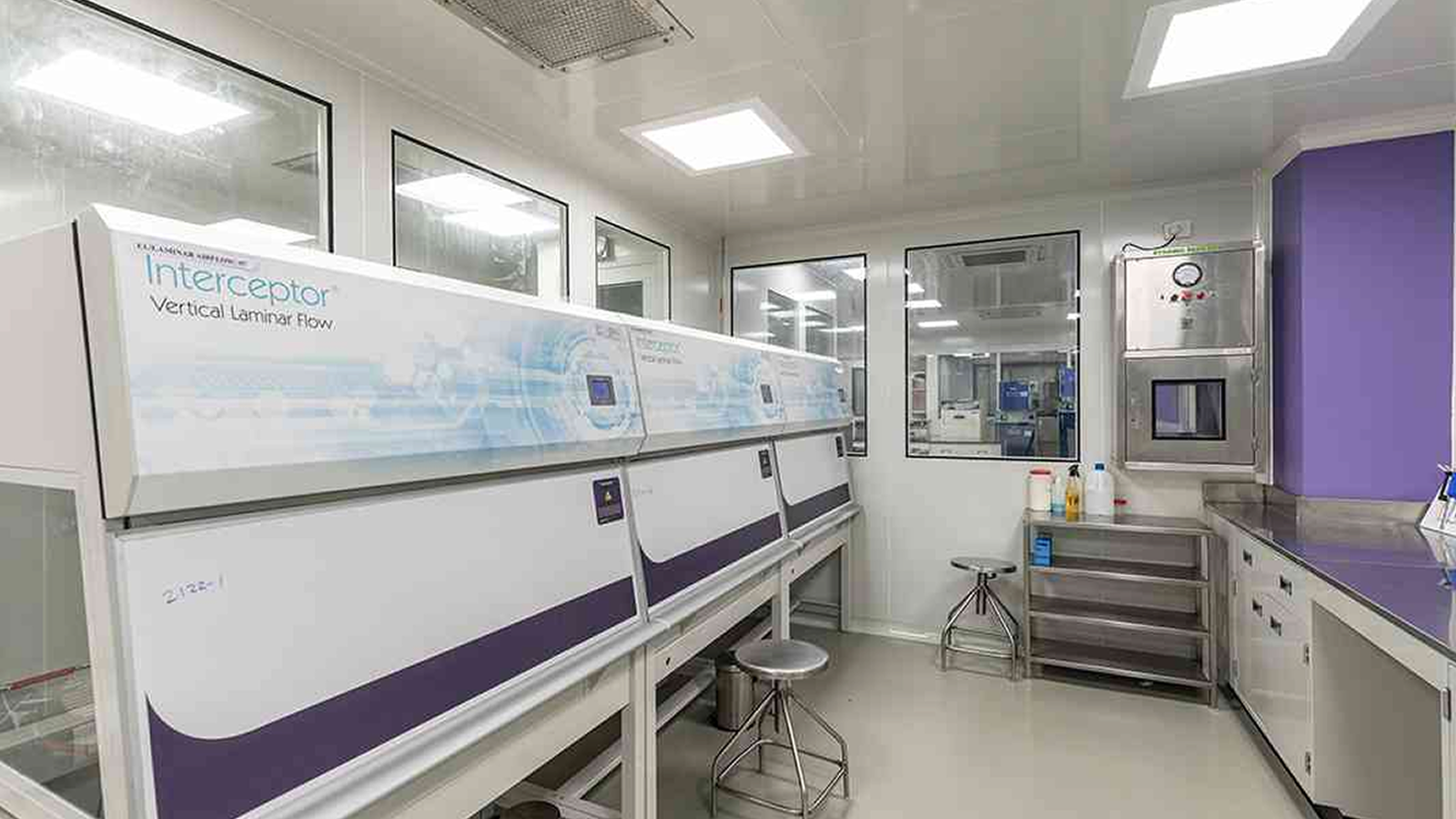
If you have ever been in a laboratory, which is a place where microbiology, cell culture, or pharmaceutical work is done, you might have seen a large glass-enclosed area where the air inside is constantly replaced with fresh air from the outside. This unit is called a Laminar Air Flow cabinet. It is an instrument that helps to keep the parts of an experiment that are susceptible to contamination safe from the spread of germs in the environment.
Being a piece of very typical equipment in laboratories, it still puzzles a large number of people what exactly a Laminar Air Flow cabinet does. Why such a big deal? How is it different from other safety equipment like biosafety cabinets?
This beginner’s guide to Laminar Air Flow is a simple explanation of the concept, the working of the cabinet, and the reasons why it is an indispensable tool in laboratories of the present day—Kewaunee designed and built ones in particular.
What Exactly Is Laminar Air Flow?
Before knowing what a cabinet is, it is helpful to know the word itself.
Laminar Air Flow is air that moves in one, single, uniform direction at the same speed. You can compare it to a river which is calm and straight flowing smoothly without any whirlpools or turbulence. Laminated flow is used in clean air technology to produce a dust-free, particle-free environment.
The clean, smooth airflow in a laboratory makes sure:
- That no dust or microorganisms are deposited on the samples
- That no external contaminants contaminate the experiments
- That a sterile workspace is available at all times
This is, without a doubt, very important when working with sensitive cultures, sterile products, or samples which are easily contaminated.
So, What Is a Laminar Air Flow Cabinet?
A Laminar Air Flow cabinet (or a laminar flow hood) is basically an isolation chamber that, by means of a controlled airflow, is able to offer a clean and sterile environment. The air is taken from the surrounding area, after which it goes through a HEPA filter for the removal of the pollutants and then it is forced to flow along the surface of the working area in one single direction.
Such a constant flow of purified air is thus able to keep the inner part of the isolation chamber free from dust, particulate matter present in the air, and also from microorganisms.
Put simply:
A Laminar Air Flow cabinet is the one that keeps your samples clean.
Types of Laminar Air Flow Cabinets
There are two main types of Laminar Air Flow cabinets based on airflow direction:
1. Horizontal Laminar Air Flow
- The air comes into the cabinet through the back and is then blown towards the user.
- This kind of air flow maintains a large free working area which is very suitable for microbiology, electronics assembly, and sterile product preparation.
2. Vertical Laminar Air Flow
Here, air is moved from the top and down to the work surface.
- It provides more protection against contaminants that may come from above.
- Are typically a choice of laboratories that have space limitations or when there is a need to work with tall equipment.
- Both of them are used for the purpose of maintaining a sterile environment.
However, it is a work type and lab design that dictates the choice.
How Does a Laminar Air Flow Cabinet Work?
Knowing how a Laminar Air Flow system works will enlighten you on the amazing effectiveness of the device:
1. Air Intake
Ambient air is taken in by the cabinet through a pre-filter whose job is to remove dust and large particles.
2. HEPA Filtration
The air, which has been pre-filtered, is forced through a HEPA filter (High-Efficiency Particulate Air filter) that is capable of isolating 99.97% of particles of 0.3-micron size or even smaller.
Such particles are bacteria, fungal spores, and dust.
3. Laminar Flow Delivery
Once filtered, the clean air flows smoothly and uniformly across the work area.
This constant airflow:
- Sweeps away airborne contaminants
- Prevents any particles from settling on samples
- Maintains sterility even as you perform movements or use equipment
4. Sterile Workspace
The result is a controlled environment that keeps experiments safe from contamination caused by the surrounding room air.
Common Uses of Laminar Air Flow Cabinets
Laminar Air Flow cabinets are used across many scientific and industrial environments. Some common applications include:
Microbiology and Cell Culture
Keeping cultures clean from any contamination coming from outside.
Pharmaceutical Preparations
Maintaining sterile conditions while preparing injectable medicines or sterile solutions.
Electronics Assembly
Shielding micro-components from dust and particles that are sensitive to static.
Tissue Culture
Maintaining sterile plant and animal cell environments.
Medical Device Manufacturing
Ensuring that sterile products and instruments do not get contaminated.
Research Laboratories
Providing the conditions necessary for experiments, i.e. dust-free and contamination-free workspaces.
In general, Laminar Air Flow technology is the closest friend of the medical world or any other industry that requires sterilization and high precision.
Reasons to Use Laminar Air Flow Cabinets
Contamination is probably the most dangerous threat that can destroy experiments and also compromise data, damage products, and even result in huge financial losses. To be on the safe side, a Laminar Air Flow cabinet is definitely the way to go as it is always creating a sterile micro-environment.
Here are some key advantages:
Maintains Sterility
The HEPA-filtered airflow is a major contributor to the cleanliness of the work area, even when complicated operations are being carried out.
Protects Sensitive Samples
The cultures, chemicals, and sterile materials that you have are the least of your worries because they are kept safe from any exposure to room air.
Reduces Experiment Failure
Through the use of the cabinet as a means of contamination prevention, the success rates and reproducibility are elevated.
Enhances Safety
However, as a result of the protection it offers to the samples, it is instrumental in the maintenance of a controlled working area for the user as well.
Supports Compliance
Most scientific and industrial standards stipulate that controlled airflow environments are a prerequisite for carrying out certain tasks.
How Is a Laminar Air Flow Cabinet Different from a Biosafety Cabinet?
Many people confuse Laminar Air Flow cabinets with biosafety cabinets because both involve airflow. However, they serve very different purposes.
Laminar Air Flow Cabinet
- Protects samples only
- Does not protect the user
- Does not protect the environment
- Used for sterile, non-hazardous materials
Biosafety Cabinet
- Protects the user, samples, and environment
- Designed for hazardous biological materials
- Uses a combination of HEPA filtration and air containment
In short:
Working with a biosafety cabinet is necessary when handling harmful microorganisms. In contrast, if your materials are sterile and non-hazardous, then a Laminar Air Flow cabinet would be the proper equipment to use.
High-Quality Laminar Air Flow Cabinet Features
The Kewaunee Company, among others, equips Laminar Air Flow cabinets with modern features to guarantee their good performance and safety. Generally, a well cabinet comprises:
- The filters HEPA with very high trapping efficiency
- Low-noise, energy-efficient blowers
- The stainless steel work surface is perfect for cleaning.
- UV light for sterilization before and after use
- Ergonomic design to reduce user fatigue
- Safety glass shields for visibility and protection
- Vibration-free construction for sensitive procedures
When selecting a Laminar Air Flow cabinet, build quality and reliability matter—especially for critical laboratory work.
Best Practices for Using a Laminar Air Flow Cabinet
Ensuring proper use is just as important as having the right equipment. Here are some essential tips:
1. Switch on UV Light Before Use
This sterilizes the interior workspace. Turn it off before beginning work to protect your eyes and skin.
2. Allow the Blower to Run
Let the airflow stabilize for 5–10 minutes before starting.
3. Keep Movements Slow and Minimal
Sudden movements can disrupt the Laminar Air Flow pattern.
4. Avoid Blocking the Airflow
Large equipment should be placed at the sides, not in the direct air path.
5. Clean Surfaces Before and After Work
Use 70% ethanol or other approved disinfectants.
6. Do Not Use Hazardous Pathogens
Laminar Air Flow cabinets are not meant for biohazards—those require biosafety cabinets.
The Role of Laminar Air Flow in Modern Labs
As research becomes increasingly precise and sensitive, contamination control has never been more important. Laminar Air Flow systems support:
- Reliable experimental results
- Safe and sterile handling of materials
- Quality assurance in industrial manufacturing
- Cleanroom-grade work environments
As global standards are going up and more advanced scientific procedures are being adopted, equipment like Laminar Air Flow cabinets has turned out to be a necessity rather than a luxury.
Kewaunee blends the experience accumulated over a period of laboratory design with the latest engineering, durability, and user-friendly features to build systems that are a global trust.
Conclusion: Why Laminar Air Flow is Important
A Laminar Air Flow cabinet is one of the essential laboratory instruments, which provides the cleanest environment, and also protects the most sensitive samples and gives a controlled environment for precision work. As a result, the uninterrupted stream of air that has passed through a HEPA filter gets rid of the impurities and makes it possible to have accurate and reproducible results.
Laminar Air Flow cabinets are the must-have instrument in any laboratory which deals with sterile materials like in research, pharmaceuticals, microbiology, or the electronics industry. But, with the best-in-class systems from Kewaunee, labs can operate with the highest confidence that their surroundings are sanitized, regulated, and contamination-free.
Kewaunee International Group

Kewaunee, the global leader in total laboratory solutions, empowers organisations to achieve competitive advantage through safe, efficient, and contemporary laboratories. In existence since 1906, Kewaunee powers the laboratories for over 5,000 customers in more than 100 countries.









Comments are closed.