Chennai is one of India’s most active centres for pharmaceutical production, chemical research, healthcare innovation, and academic laboratories. In these environments, safety systems are not optional additions. They are core operational requirements. As fume hood manufacturers in Chennai, Kewaunee delivers containment solutions designed for laboratories that operate under continuous pressure for accuracy, compliance, and reliability.
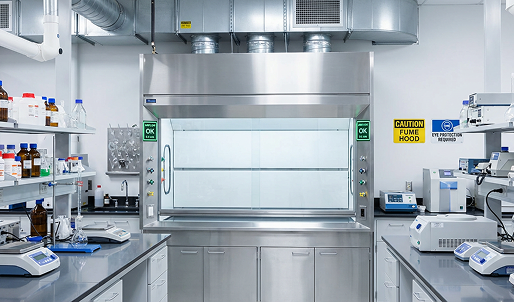
Fume hoods are not just furniture installed along a wall. They shape how scientists work, how safely materials are handled, and how confidently laboratories meet regulatory expectations. Kewaunee approaches fume hood design with this responsibility in mind, focusing on real-world usage rather than theoretical performance.
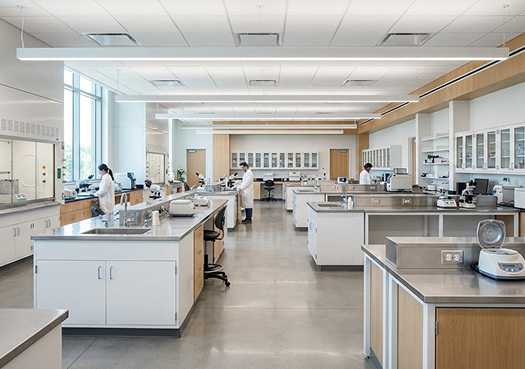
Laboratories in Chennai support diverse industries, from large-scale pharmaceutical manufacturing to advanced R&D centres and educational institutions. Each of these environments faces strict safety norms and high daily usage.
Chemical exposure, variable workloads, and frequent procedural changes demand containment systems that perform consistently. This is where experienced fume hood manufacturers in Chennai make a measurable difference. Kewaunee designs systems that maintain containment stability across changing conditions, supporting safe operations without interrupting workflow.
Our designs reflect a clear understanding of how laboratories function in practice, not just on paper.
Effective containment begins with controlled airflow. Kewaunee fume hoods are engineered to manage air movement in a way that captures hazardous fumes before they escape the work zone.
Instead of relying on excessive airflow, systems are designed to balance containment performance with energy efficiency. Structural rigidity reduces vibration and noise, creating a stable working environment. Sash movement is smooth and predictable, allowing users to work comfortably without disturbing airflow patterns.
Regulatory compliance is a daily reality for laboratories in Chennai. Kewaunee fume hoods are designed and tested to align with internationally recognised safety and performance standards, supporting laboratories during audits and inspections.
For laboratories working in regulated industries, this approach reduces risk and supports operational confidence.
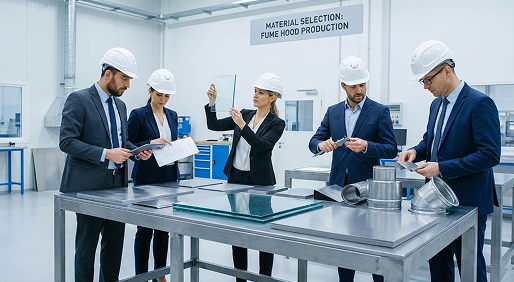
Laboratory conditions can be harsh. Chemical exposure, frequent cleaning, and continuous use place heavy demands on materials. Kewaunee offers a range of interior linings and structural materials selected to perform reliably under specific conditions.
Options include epoxy-based surfaces for chemical resistance, stainless steel for cleanability, and reinforced materials for durability. Each selection is guided by application needs rather than generic specifications.
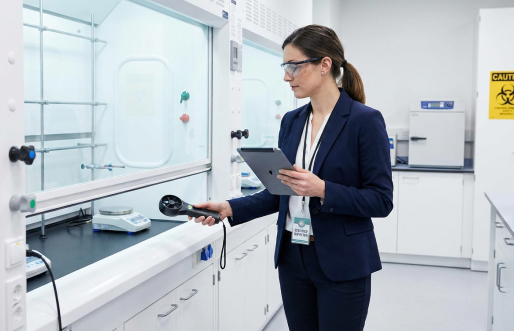
A fume hood’s performance depends on how well it integrates with the surrounding infrastructure. Exhaust systems, duct routing, and room air balance all influence containment effectiveness.
Kewaunee works closely with project teams to ensure coordination across these elements. Airflow calculations, exhaust compatibility, and installation sequencing are addressed early to avoid performance issues later.
This systems-level planning ensures that fume hoods function as intended from the first day of operation.
Selecting the right containment partner directly impacts laboratory safety, compliance, and operational efficiency. With a strong engineering foundation, standards-aligned design, and practical understanding of laboratory workflows, Kewaunee continues to be a trusted name among fume hood manufacturers in Chennai. Our solutions are built to protect people, support processes, and perform reliably across years of demanding laboratory use.
Contact us today to discuss your project and identify the right containment systems for your laboratory.
Pharmaceutical, chemical, healthcare, research, and academic laboratories commonly use Kewaunee fume hoods.
Yes. Designs are aligned with globally recognised safety and performance testing standards.
Yes. Size, materials, and configurations can be adapted to suit specific laboratory needs.
Through controlled airflow design, structural stability, and system-level integration planning.
Yes. Support includes airflow planning, exhaust coordination, and installation guidance.