Why Every Scientific Facility Needs an Integrated Laboratory Solution
Scientific facilities today operate in an environment where precision, safety, efficiency and compliance are non negotiable. Whether it is a research institution, pharmaceutical company, educational laboratory, healthcare facility or industrial testing center, laboratories are expected to deliver reliable results while maintaining high operational standards.
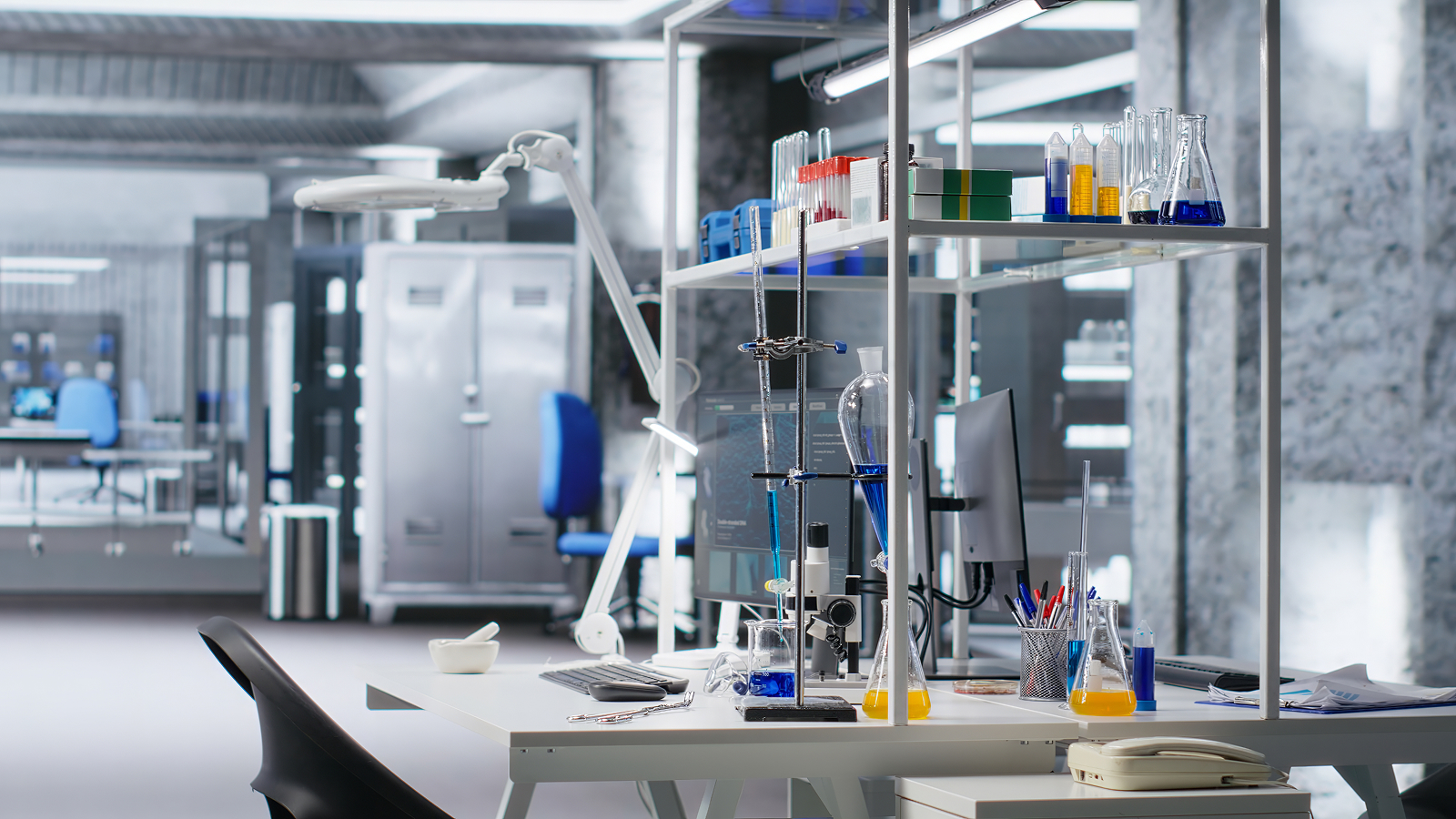
As demands on labs become more sophisticated, numerous companies are ditching the cobbled together infrastructure in favour of one comprehensive lab solution. This kind of system will consolidate and integrate lab design, lab furniture, laboratory safety furniture and systems, lab utilities, lab storage and lab workflow planning into a singular environment.
An integrated approach helps scientific facilities create environments to support productivity, improve safety and adapt to future growth. Kewaunee understands the importance of delivering laboratory environments where every component works together seamlessly to support scientific excellence.
Understanding an Integrated Laboratory Solution
A modern laboratory is much more than benches and furniture. It is a designed workspace where people, processes and technology interact continuously.
An integrated laboratory solution combines multiple laboratory elements into a coordinated system, including
- Laboratory furniture
- Fume hoods and ventilation systems
- Utility distribution systems
- Chemical storage solutions
- Safety furniture
- Workflow optimization
- Space planning
- Laboratory engineering services
Rather than sourcing these elements separately, facilities benefit from a unified approach. This ensures compatibility, efficiency and long term performance.
Improving Laboratory Efficiency Through Better Design
One of the primary reasons scientific facilities invest in integrated laboratory systems is operational efficiency.
Laboratories often face challenges such as
- Limited workspace
- furniture congestion
- Poor workflow design
- Inefficient storage systems
- Time consuming movement between workstations
When laboratory infrastructure is planned as a complete system, every component is positioned to support daily operations.
Scientists and technicians will find improved access to the furniture, samples, chemicals and instruments. This in turn reduces workflow motion, less wasted movement, increases productivity, facilitates efficient and accurate results.
A well designed laboratory solution ensures the physical environment enhances scientific work instead of creating obstacles.
Enhancing Safety Across Laboratory Operations
Safety remains one of the most critical concerns in any scientific facility.
Laboratories routinely handle
- Hazardous chemicals
- Biological materials
- Flammable substances
- Sensitive furniture
- High temperature processes
Without proper integration, safety risks can increase significantly.
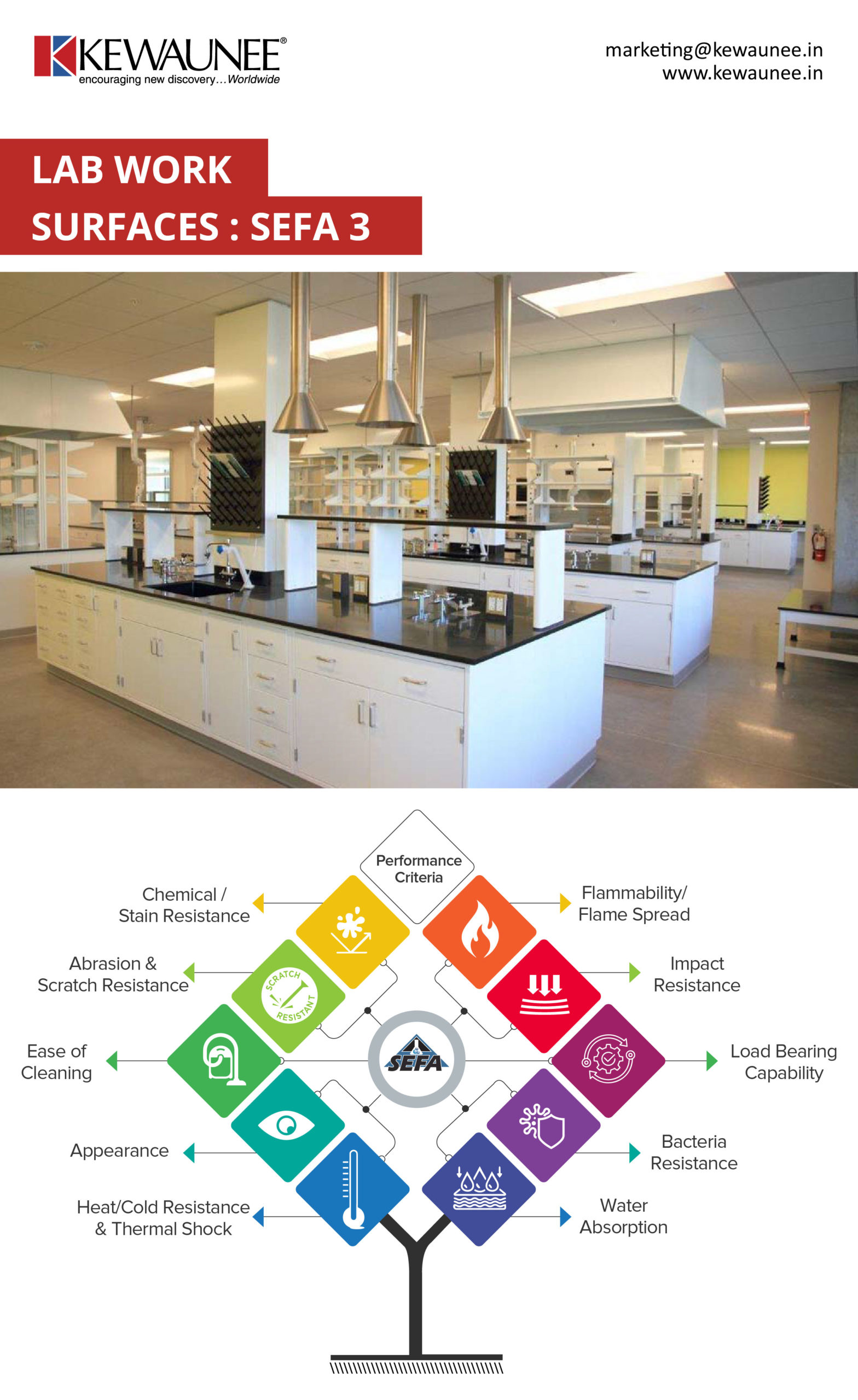
An integrated laboratory will feature built in safety considerations from the first plans. That includes carefully placed safety furniture, proper ventilation and fume extraction systems. Chemical resistant countertops, easy access for emergency services and the correct facilities for secure storage.
By addressing safety as part of the overall design rather than as an afterthought. Facilities can create safer working conditions for laboratory personnel.
Kewaunee emphasizes laboratory environments where safety systems work cohesively with operational requirements. It helps organizations maintain a secure and compliant workspace.
Supporting Regulatory Compliance
Scientific facilities must comply with various local, national and international regulations depending on their industry.
Common compliance requirements may include
- Laboratory safety standards
- Chemical handling regulations
- Environmental guidelines
- Occupational health requirements
- Industry specific certifications
Managing compliance becomes easier when laboratory infrastructure is designed with regulations in mind.
An integrated laboratory solution helps ensure critical systems such as ventilation, storage, waste management and safety furniture align with applicable standards. This proactive approach reduces the risk of compliance issues and supports smoother inspections and audits.
Facilities that invest in proper laboratory planning often avoid costly modifications. This becomes necessary when compliance requirements are overlooked during initial setup.
Maximizing Space Utilization
Laboratory space is valuable and many facilities face pressure to accommodate growing research demands within limited square footage.
Poorly planned laboratories often experience
- Underutilized work areas
- Insufficient storage
- Congested pathways
- Difficulty accommodating new furniture
Integrated laboratory planning focuses on maximizing available space without compromising functionality.
With modular layouts, a flexible furniture system and workflow design, you can build space that supports the current work and expands in the future. A well designed laboratory solution ensures organizations accomplish more in the same space, enhancing ROI and your laboratory’s overall workflow.
Facilitating Collaboration and Productivity
Scientific research increasingly relies on collaboration across departments and disciplines.
Modern laboratories must support
- Team based research
- Shared furniture access
- Cross functional projects
- Data driven workflows
Integrated laboratory environments encourage collaboration by creating organized spaces. It promotes communication while maintaining operational efficiency.
Well designed workstations, shared resource areas and flexible layouts help teams work together more effectively. Researchers can focus on innovation and experimentation rather than navigating inefficient laboratory setups.
This collaborative advantage is particularly important in research institutions, pharmaceutical facilities and innovation centers where teamwork drives scientific progress.
Future Proofing Laboratory Infrastructure
Technology evolves rapidly and laboratory facilities must be prepared to adapt.
New analytical instruments, automation systems and research methodologies often require infrastructure modifications. Facilities built without long term planning may struggle to accommodate these changes.
An integrated laboratory solution provides flexibility through modular systems and scalable designs.
Benefits of future ready laboratory infrastructure include
- Easier furniture upgrades
- Adaptable workspaces
- Reduced renovation costs
- Improved technology integration
- Long term operational sustainability
Organizations planning for growth from the beginning can respond more effectively to changing scientific and business requirements.
Kewaunee’s laboratory solutions are designed with adaptability in mind, helping facilities remain efficient as research needs evolve.
Reducing Long Term Operational Costs
While integrated laboratory planning may require careful upfront investment, it often generates significant long term savings.
Fragmented laboratory setups can lead to
- Frequent modifications
- furniture compatibility issues
- Maintenance challenges
- Energy inefficiencies
- Reduced productivity
An integrated approach minimizes these challenges by ensuring all laboratory systems function together efficiently.
Cost saving advantages include
- Lower maintenance expenses
- Improved energy efficiency
- Reduced downtime
- Enhanced furniture lifespan
- Better resource utilization
When laboratory infrastructure is designed correctly from the start, facilities can avoid many of the hidden costs associated with reactive upgrades and redesigns.
Improving Sustainability in Scientific Facilities
Sustainability has become an important priority for many organizations.
Laboratories are often energy intensive environments due to ventilation systems, specialized furniture and continuous operations. As a result, facilities are increasingly seeking ways to reduce their environmental impact.
An integrated laboratory solution can support sustainability goals through
- Energy efficient laboratory systems
- Optimized ventilation strategies
- Durable construction materials
- Efficient space utilization
- Reduced waste generation
Sustainable laboratory design not only supports environmental responsibility but can also contribute to lower operating costs and improved organizational reputation.
Forward thinking facilities recognize sustainability and performance can work together when laboratory systems are designed holistically.
Creating a Better Experience for Laboratory Personnel
The success of any scientific facility ultimately depends on the people working within it.
Researchers, technicians, analysts and laboratory managers perform best when they have access to a comfortable organized and efficient workspace.
Integrated laboratory environments improve the user experience by providing
- Ergonomic workstations
- Logical workflow layouts
- Accessible storage systems
- Enhanced safety measures
- Improved environmental conditions
When personnel can focus on scientific tasks without being hindered by infrastructure limitations, overall performance and job satisfaction improve significantly.
A well executed laboratory solution contributes directly to productivity, accuracy and workplace morale.
Why Integrated Solutions Are the Future of Laboratory Design
Today’s research technologies demand advanced lab facilities. Outdated or completely independent, fragmented systems hinder the ease of lab functionality.
Integrated laboratory solutions provide a strategic framework for combining safety, functionality, compliance, flexibility and performance into a unified environment.
Increased productivity, optimize space, greater safety, scalable and fit for the future an all encompassing approach to lab design will positively affect each area of lab operation.
Conclusion
Scientists need a space where operations, safety, compliance and future demands can exist within a unified solution. These concerns are satisfied with a completely integrated lab experience that consolidates lab design, furniture, engineering, safety furniture and workflow best practices under one umbrella.
Through smart lab strategies, businesses can build spaces where creativity flourishes, productivity soars and long term success is the standard. With Kewaunee’s experience and comprehensive lab design expertise to develop the space your scientific facility needs today and well into the future.
For organizations seeking sustainable growth, operational excellence and scientific success, an integrated laboratory approach is no longer an option, it is a necessity.
Kewaunee International Group

Kewaunee, the global leader in total laboratory solutions, empowers organisations to achieve competitive advantage through safe, efficient, and contemporary laboratories. In existence since 1906, Kewaunee powers the laboratories for over 5,000 customers in more than 100 countries.









Comments are closed.