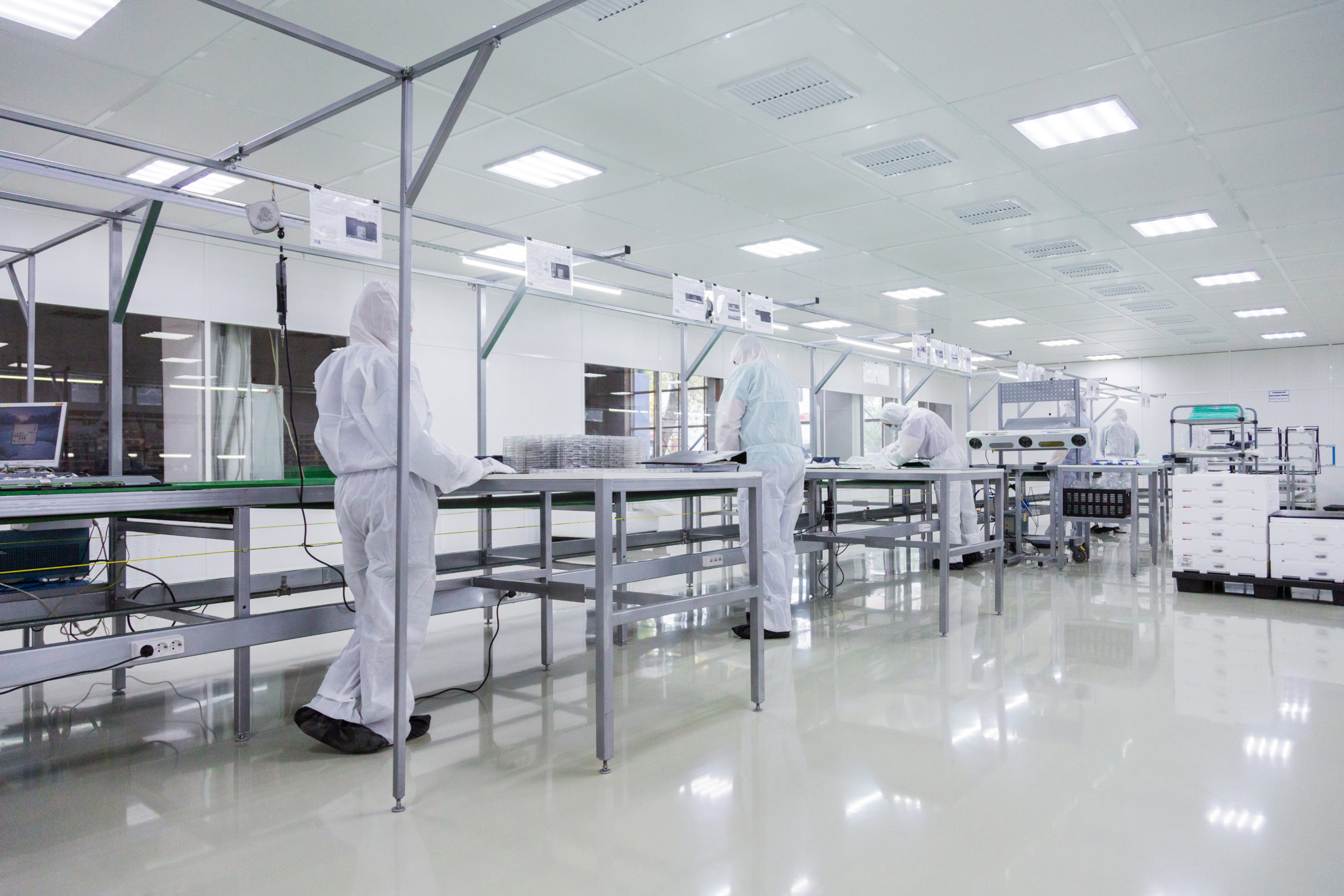
How Flexible Lab Furniture Enhances Classroom Learning
Modern science education is no longer limited to textbooks and static demonstrations. Today’s learning environments demand interaction, experimentation, and adaptability. As a result, schools, colleges, and training institutes are increasingly investing in advanced Lab Furniture, Laboratory Furniture, and Modular Lab Furniture systems that can transform traditional classrooms into dynamic, hands-on learning spaces.
Flexible laboratory design is not just about aesthetics or equipment placement—it directly influences how students learn, collaborate, and develop scientific thinking. When classrooms are designed with adaptability in mind, they become powerful environments that encourage curiosity and deeper understanding.
The Shift from Traditional Classrooms to Flexible Learning Spaces
Traditional science classrooms were often fixed in design. Heavy benches, permanently installed sinks, and rigid seating arrangements limited movement and interaction. While this setup supported basic demonstrations, it restricted collaborative learning and experimentation.
Modern education, however, emphasizes:
- Active participation
- Group-based learning
- Hands-on experimentation
- Problem-solving skills
- Real-world application of knowledge
To support this shift, institutions are adopting flexible Laboratory Furniture systems that can be easily reconfigured based on teaching requirements.
This transformation is especially visible in science labs where adaptability plays a crucial role in improving learning outcomes.
What Is Flexible Lab Furniture?
Flexible Lab Furniture refers to laboratory systems designed for mobility, modularity, and adaptability. Unlike fixed installations, these systems can be rearranged, expanded, or modified without structural changes.
Key features include:
- Movable workbenches and tables
- Modular storage units
- Adjustable seating systems
- Plug-and-play utility connections
- Reconfigurable layouts
When combined, these features create a dynamic environment where the classroom can be reshaped to suit different experiments, teaching methods, or group sizes.
Why Flexibility Matters in Science Education
Science learning is most effective when students can actively engage with materials and experiments. Flexible laboratory environments support this by allowing educators to design sessions that match specific learning goals.
1. Encourages Collaborative Learning
With Modular Lab Furniture, classrooms can be quickly rearranged into group workstations. This encourages teamwork, discussion, and peer-to-peer learning, all of which are essential for scientific understanding.
Students are no longer passive observers—they become active participants in the learning process.
2. Supports Different Teaching Methods
Every lesson in science is different. Some require lectures, others require demonstrations, and many involve hands-on experiments.
Flexible Laboratory Furniture allows teachers to:
- Switch between lecture and lab modes quickly
- Create demonstration zones
- Set up individual or group experiments
- Adapt space for assessments or presentations
This adaptability enhances teaching effectiveness and keeps students engaged.
3. Improves Student Engagement
Static classrooms often lead to disengagement. Flexible lab environments, on the other hand, create a sense of movement and interaction.
When students can physically engage with their environment, they are more likely to:
- Retain concepts longer
- Develop curiosity
- Participate actively in experiments
- Ask questions and explore ideas
Well-designed Lab Furniture plays a direct role in improving these outcomes.
The Role of Modular Lab Furniture in Modern Learning Spaces
Among all types of lab infrastructure, Modular Lab Furniture is the most impactful when it comes to flexibility and scalability.
Key Advantages of Modular Systems
1. Easy Reconfiguration
Modular systems allow classrooms to be rearranged within minutes. Tables, benches, and storage units can be moved without specialized tools or technical support.
This makes it easy to switch between different teaching formats.
2. Space Optimization
Many educational institutions face space limitations. Modular Laboratory Furniture helps maximize available space by allowing efficient layouts that can be changed based on class size or activity type.
This ensures that no space is wasted.
3. Scalability for Future Needs
As student numbers increase or curriculum requirements change, modular systems can be expanded without rebuilding the entire lab.
This makes Modular Lab Furniture a cost-effective long-term investment.
4. Enhanced Safety and Organization
Flexible layouts also improve safety. Clear pathways, organized storage, and accessible equipment reduce the risk of accidents in science classrooms.
Proper Lab Furniture design ensures that chemicals, instruments, and tools are safely stored and easily accessible.
How Flexible Lab Furniture Improves Learning Outcomes
The impact of flexible laboratory environments goes beyond convenience—it directly influences academic performance.
Better Understanding of Concepts
Hands-on experiments supported by adaptable Laboratory Furniture help students understand abstract scientific concepts more effectively.
Increased Participation
When students can move freely and work in groups, participation levels naturally increase.
Development of Critical Thinking
Flexible lab setups encourage experimentation, trial and error, and problem-solving.
Improved Retention
Studies show that active learning environments significantly improve long-term memory retention compared to passive learning.
Designing Modern Classrooms with Lab Furniture
Creating an effective science classroom requires careful planning. Schools and institutions must consider how Laboratory Furniture, and Modular Lab Furniture interact with teaching methods.
Key Design Principles:
- Prioritize flexibility over fixed layouts
- Ensure easy access to utilities like water and electricity
- Design for both individual and group learning
- Maintain clear movement pathways
- Use durable and ergonomic materials
A well-designed lab becomes a multifunctional learning environment rather than a static classroom.
Technology Integration with Flexible Lab Furniture
Modern classrooms are increasingly integrating digital tools with physical lab environments. Flexible furniture supports this integration by allowing seamless placement of:
- Computers and tablets
- Interactive displays
- Digital sensors and lab instruments
- Smart monitoring systems
This combination of physical and digital learning enhances the overall educational experience.
Sustainability Benefits of Modular Lab Furniture
Flexible Modular Lab Furniture also contributes to sustainability in education.
- Reduces need for reconstruction during upgrades
- Minimizes material waste
- Extends lifecycle of lab infrastructure
- Supports reuse and reconfiguration
By investing in adaptable Laboratory Furniture, institutions reduce their environmental footprint while improving functionality.
Challenges Solved by Flexible Lab Furniture
Many schools and colleges face challenges that flexible lab design can solve:
Limited Space
Modular systems optimize every square meter.
Budget Constraints
Instead of rebuilding labs, furniture can be reused and reconfigured.
Changing Curriculum Needs
Flexible layouts support evolving educational requirements.
Safety Concerns
Better organization reduces clutter and improves safety.
The Future of Classroom Lab Design
The future of science education will be driven by adaptability and student-centered learning. Flexible Lab Furniture will continue to evolve with:
- Smart furniture with integrated sensors
- AI-assisted classroom layouts
- Mobile lab units for remote learning
- Fully reconfigurable digital-physical hybrid labs
As education becomes more dynamic, classrooms will transform into interactive ecosystems rather than fixed spaces.
Conclusion
Flexible laboratory environments are redefining how science is taught and learned. By integrating Lab Furniture, Laboratory Furniture, and Modular Lab Furniture, educational institutions can create adaptable, engaging, and future-ready classrooms.
These systems not only improve space utilization and safety but also significantly enhance student engagement, understanding, and performance.
Ultimately, flexible lab design empowers both educators and students—turning traditional classrooms into innovative spaces where curiosity, experimentation, and scientific thinking thrive.
Kewaunee International Group

Kewaunee, the global leader in total laboratory solutions, empowers organisations to achieve competitive advantage through safe, efficient, and contemporary laboratories. In existence since 1906, Kewaunee powers the laboratories for over 5,000 customers in more than 100 countries.









Comments are closed.