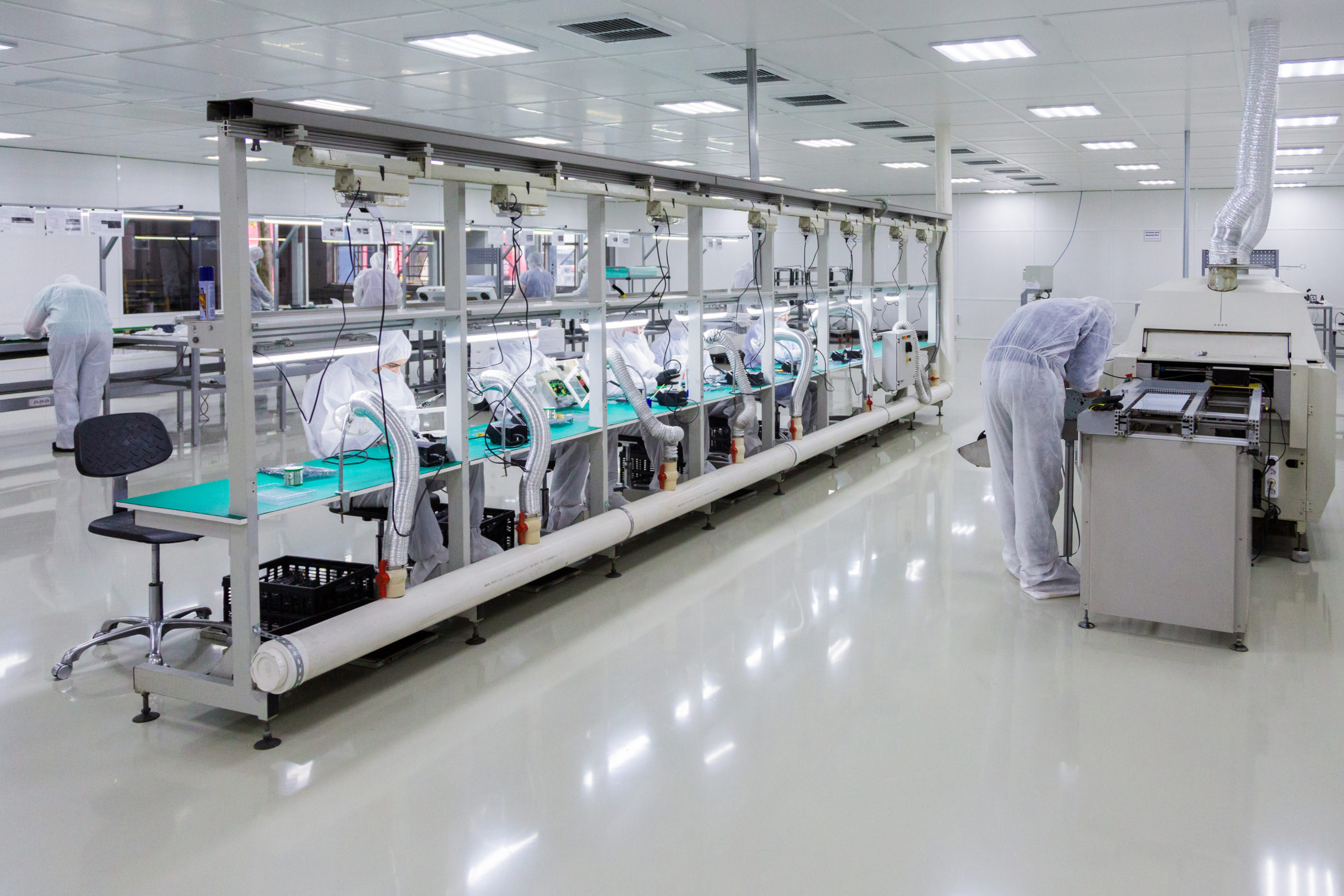
Modular Laboratory Setups: Flexibility for Growing Research Needs
Modern laboratories are evolving faster than ever before. Research facilities today must adapt to changing technologies, expanding teams, new scientific processes, and increasing compliance requirements. Traditional fixed laboratory infrastructures often struggle to keep pace with these dynamic demands, making flexibility a critical factor in modern lab planning.
This is where Modular Lab Furnitures play a transformative role. Modular laboratory setups provide adaptable, scalable, and efficient workspaces that can evolve alongside growing research needs. From pharmaceutical and biotechnology labs to educational institutions and industrial research facilities, modular laboratory systems are becoming the preferred solution for organizations seeking operational flexibility and long-term efficiency.
Leading laboratory infrastructure companies such as Kewaunee are helping modern laboratories embrace innovative modular solutions that improve functionality, safety, and future readiness.
In this blog, we explore how modular laboratory setups support growing research requirements and why they are shaping the future of laboratory design.
What Are Modular Laboratory Setups?
A modular laboratory setup is a flexible laboratory infrastructure system designed with interchangeable and movable components that can be easily reconfigured based on changing operational needs.
Unlike traditional fixed laboratory layouts, modular systems allow laboratories to:
- Rearrange workstations
- Expand infrastructure
- Add new equipment
- Modify workflows
- Upgrade utilities
- Optimize available space
At the center of this flexibility are Modular Lab Furnitures, which are specially designed to support adaptability, durability, and efficiency in modern laboratory environments.
These systems include:
- Modular workbenches
- Mobile laboratory tables
- Adjustable shelving units
- Flexible storage cabinets
- Movable workstations
- Overhead service carriers
- Utility-integrated furniture systems
The ability to modify laboratory layouts without major structural changes makes modular solutions highly valuable for growing research facilities.
Why Modern Laboratories Need Flexibility
Scientific research and industrial testing environments are constantly evolving. Laboratories today must accommodate:
- New technologies
- Changing research priorities
- Expanding research teams
- Advanced automation systems
- Regulatory updates
- Increased equipment requirements
Traditional laboratory infrastructures often lack the flexibility needed to respond quickly to these changes.
Challenges with Conventional Laboratory Layouts
Fixed laboratory systems can create several operational limitations, including:
- Expensive renovation requirements
- Downtime during modifications
- Inefficient space utilization
- Limited scalability
- Difficulty integrating new technologies
As research organizations continue to grow, these limitations can affect productivity and operational efficiency.
This is why many organizations are transitioning toward modular laboratory concepts supported by advanced Modular Lab Furnitures.
Advantages of Modular Lab Furnitures
1. Flexibility and Easy Reconfiguration
One of the biggest advantages of Modular Lab Furnitures is their ability to adapt to changing laboratory needs.
Research facilities can quickly:
- Rearrange workstations
- Modify laboratory layouts
- Add new departments
- Integrate specialized equipment
- Expand collaborative spaces
This flexibility is especially important for laboratories involved in rapidly changing scientific fields such as biotechnology, pharmaceuticals, and healthcare research.
2. Scalability for Growing Research Facilities
As research operations expand, laboratories often require additional infrastructure and workspace.
Modular laboratory systems make scaling easier by allowing organizations to add components without major construction work.
Laboratories can expand through:
- Additional workstations
- Extra storage modules
- Utility extensions
- Mobile laboratory units
- New equipment integration
This helps organizations manage growth efficiently while minimizing disruption to ongoing research activities.
3. Improved Space Utilization
Modern laboratories must maximize available space while maintaining safety and workflow efficiency.
Well-designed Modular Lab Furnitures improve space management through:
- Compact storage systems
- Multi-functional workstations
- Mobile furniture solutions
- Flexible bench arrangements
Optimized layouts improve workflow efficiency and create more organized laboratory environments.
Companies like Kewaunee design modular laboratory systems that help facilities utilize space more effectively while supporting advanced research operations.
Enhancing Laboratory Efficiency Through Modular Design
Efficiency is a major priority for every research facility. Modular laboratory setups help improve productivity by creating workspaces that align with operational workflows.
Workflow Optimization
Modular systems allow laboratories to design layouts based on:
- Sample processing requirements
- Equipment accessibility
- Research team collaboration
- Safety protocols
- Utility accessibility
This creates smoother workflows and reduces unnecessary movement within the laboratory.
Faster Installation and Upgrades
Traditional laboratory renovations can involve significant downtime and operational disruptions.
With Modular Lab Furnitures, installation and upgrades can often be completed faster because modular components are pre-engineered and easier to assemble.
Benefits include:
- Reduced construction time
- Minimal operational interruptions
- Faster laboratory commissioning
- Easier maintenance and upgrades
This is particularly valuable for laboratories operating under strict project timelines.
Supporting Technological Advancements
Modern laboratories increasingly rely on automation, digital monitoring systems, and advanced scientific equipment.
Modular laboratory systems provide the flexibility needed to integrate these technologies efficiently.
Adaptability for Automation
Automation systems often require changes in:
- Equipment placement
- Utility connections
- Workflow design
- Data management systems
Modular infrastructure allows laboratories to adapt quickly without extensive reconstruction.
Smart Laboratory Integration
Advanced Modular Lab Furnitures can support:
- Integrated utility systems
- Data connectivity solutions
- Ergonomic workstation designs
- Energy-efficient infrastructure
- Smart storage systems
This helps laboratories remain future-ready as technology continues to evolve.
Safety and Compliance Benefits
Laboratory safety is essential in every scientific environment. Modular laboratory setups are designed to support safe and compliant operations.
Improved Safety Features
Modern modular systems include:
- Chemical-resistant surfaces
- Ergonomic furniture designs
- Proper ventilation integration
- Safe utility management
- Organized storage systems
These features help reduce workplace hazards and improve operational safety.
Regulatory Compliance
Laboratories must comply with various national and international safety standards.
Professional modular laboratory providers ensure that infrastructure aligns with:
- ISO standards
- GLP guidelines
- GMP regulations
- Laboratory safety protocols
Kewaunee focuses on delivering modular laboratory solutions that combine functionality, safety, and regulatory compliance.
Sustainability and Long-Term Cost Savings
Sustainability has become an important focus in modern laboratory infrastructure planning.
Environmentally Friendly Infrastructure
Modular laboratory systems support sustainability through:
- Efficient material utilization
- Reduced construction waste
- Energy-efficient layouts
- Reusable furniture components
This helps laboratories minimize their environmental impact.
Lower Long-Term Costs
Although modular systems require initial investment, they often reduce long-term operational expenses by minimizing renovation costs and improving maintenance efficiency.
Organizations benefit from:
- Reduced downtime
- Easier upgrades
- Lower reconstruction expenses
- Better resource utilization
This makes Modular Lab Furnitures a cost-effective solution for growing research facilities.
Why Modular Laboratory Setups Are the Future
As scientific research becomes more dynamic and technology-driven, laboratories need infrastructure that can evolve continuously.
Modular laboratory setups provide:
- Operational flexibility
- Faster scalability
- Improved workflow efficiency
- Better safety compliance
- Future-ready infrastructure
- Long-term cost savings
These advantages make modular systems ideal for modern research organizations seeking adaptable and sustainable laboratory environments.
Conclusion
The future of laboratory infrastructure lies in flexibility, scalability, and efficiency. Traditional fixed laboratory systems often struggle to meet the rapidly changing demands of modern scientific research.
By adopting advanced Modular Lab Furnitures, research facilities can create adaptable workspaces that support innovation, collaboration, and future growth. From optimized workflows and technology integration to improved safety and sustainability, modular laboratory setups offer significant advantages for modern laboratories.
With decades of expertise in laboratory infrastructure and innovation, Kewaunee continues to provide advanced modular laboratory solutions designed to meet the evolving needs of research, healthcare, educational, and industrial laboratories worldwide.
Kewaunee International Group

Kewaunee, the global leader in total laboratory solutions, empowers organisations to achieve competitive advantage through safe, efficient, and contemporary laboratories. In existence since 1906, Kewaunee powers the laboratories for over 5,000 customers in more than 100 countries.









Comments are closed.