Choosing the Right Laboratory Solutions for Modern Research Facilities
Modern research facilities need to support innovation and follow strict safety standards. They also need to keep up with changing scientific needs. Across pharmaceuticals, biotechnology, healthcare, education and industry, labs must be planned for better productivity, compliance and efficiency.
As labs become more complex, choosing the right laboratory solution becomes even more important for facility owners, lab managers and project planners. The right solution makes for a laboratory setting conducive to a safe and successful future.
Kewaunee understands what today’s research facilities require. Its laboratory solutions are developed to support operational objectives while enabling scientific progress.
Why Choosing the Right Laboratory Solution Matters
A laboratory is a long term investment. Poor planning can result in workflow inefficiencies, safety concerns, limited scalability and costly renovations in the future.
An effective laboratory solution helps facilities
- Improve operational efficiency
- Enhance workplace safety
- Maximize available space
- Support regulatory compliance
- Accommodate future expansion
- Increase productivity
Selecting the right solution from the beginning helps researchers focus on innovation. It also avoids problems caused by poor infrastructure. This way, they can work without unnecessary limitations.
Understand Your Research Requirements
Before choosing lab design or furniture, you need to understand what the facility really needs.
Every lab is different. Each one works in its own way. For example
- Pharmaceutical labs need strong control over contamination.
- Biotech labs need proper storage and smooth workflows.
- Educational labs need flexibility and easy use.
- Industrial labs need durable surfaces and furniture support.
A successful laboratory solution should match the type of work being done every day. Clear planning of current and future needs makes sure the lab supports long term goals.
Prioritize Laboratory Safety
Safety should always be a primary consideration when selecting laboratory infrastructure.
Research facilities routinely work with
- Chemicals
- Biological materials
- Hazardous substances
- Sensitive instruments
- Specialized furniture
An effective laboratory environment integrates safety measures into every aspect of the design.
Important safety considerations include
- Proper ventilation systems
- Chemical resistant surfaces
- Emergency response furniture
- Secure storage solutions
- Safe utility distribution systems
A complete laboratory solution includes these safety features from the planning stage. This helps reduce risks and supports compliance with industry regulations.
Focus on Workflow Efficiency
Laboratory productivity depends a lot on how the workflow is planned. Researchers move between workstations, instruments, storage areas and testing zones all day. If the layout is poor, it leads to wasted time, crowding and slow operations.
When evaluating a laboratory design, consider
- furniture placement
- Accessibility of workstations
- Sample handling processes
- Storage organization
- Traffic flow within the facility
A well designed laboratory solution creates a smooth workflow. It helps teams work more efficiently and reduces interruptions.
Efficient layouts not only improve productivity but also contribute to safer and more organized operations.
Look for Flexible and Modular Designs
Research requirements can change quickly due to new technologies, furniture upgrades and evolving scientific priorities.
Facilities which lack flexibility may face expensive renovations when adapting to changing needs.
Modern laboratories increasingly benefit from modular systems as it allows for
- Easy reconfiguration
- furniture expansion
- Space optimization
- Future upgrades
A flexible laboratory solution helps organizations adapt without significant disruption to ongoing operations.
Modular laboratory furniture, adjustable workstations and scalable infrastructure can significantly extend the lifespan of the facility.
Evaluate Laboratory furniture Quality
Laboratory furniture plays a crucial role in daily operations.
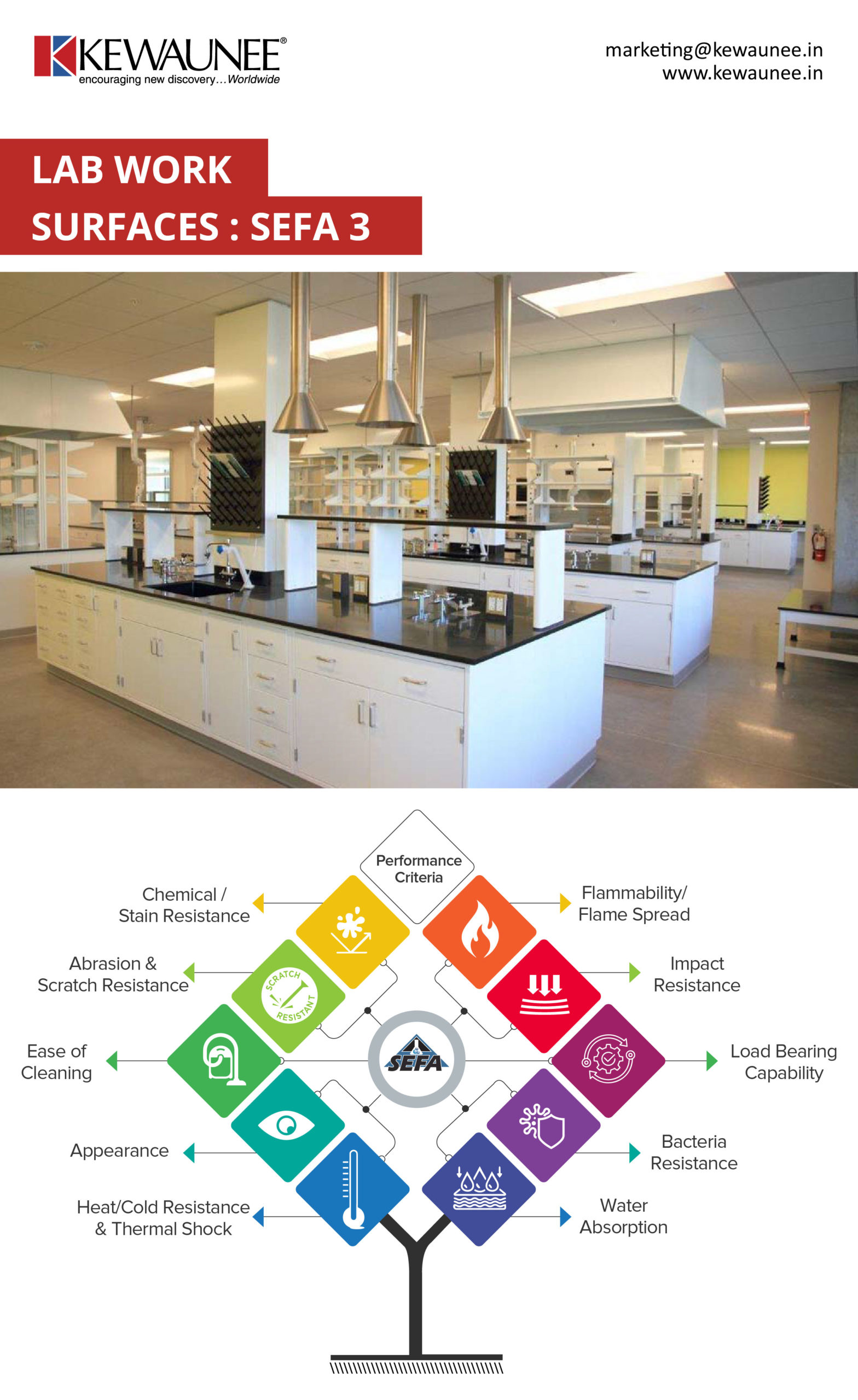
Unlike conventional furniture, laboratory workstations must withstand exposure to chemicals, moisture, heat and continuous use.
When selecting laboratory furniture, consider
- Material durability
- Chemical resistance
- Load bearing capacity
- Ergonomic design
- Maintenance requirements
High quality furniture contributes to laboratory safety, operational efficiency and long term cost savings.
Kewaunee offers laboratory furniture systems for modern research environments. They are designed for durability, functionality and long term performance.
Consider Ventilation and Environmental Control
Environmental conditions directly impact laboratory safety and research accuracy.
Ventilation systems help control
- Air quality
- Chemical exposure
- Temperature stability
- Contamination risks
Proper environmental management is especially important in laboratories handling hazardous materials or sensitive research processes.
A complete laboratory solution should include effective ventilation planning. This supports both safety and operational performance.
Facilities which prioritize environmental control often experience improved research reliability and better protection for laboratory personnel.
Ensure Compliance with Industry Standards
Laboratories operate within a highly regulated environment.
Requirements vary depending on the industry and location. They may include regulations related to
- Occupational safety
- Chemical storage
- Laboratory ventilation
- Environmental protection
- Quality management systems
Working with an experienced laboratory partner can make compliance easier to manage. A professionally planned laboratory solution ensures that infrastructure meets relevant standards. This reduces the risk of violations and operational disruptions. Compliance focused planning also supports smoother inspections and long term facility performance.
Maximize Space Utilization
Research facilities often need to accommodate growing teams, additional furniture and expanding projects within limited space. Good space planning helps maintain productivity and organization.
Key considerations include
- Workstation arrangement
- furniture placement
- Storage capacity
- Utility accessibility
- Future expansion opportunities
A well planned laboratory solution makes the best use of available space while maintaining safety, comfort and workflow efficiency.
Effective space utilization allows facilities to support more research activities without major expansion.
Assess Long Term Cost Efficiency
The lowest initial investment does not always provide the best value.
Laboratories designed without long term planning often face higher costs associated with
- Frequent modifications
- furniture relocation
- Maintenance issues
- Operational inefficiencies
A quality laboratory solution focuses on total lifecycle value rather than short term savings.
Long term benefits may include
- Reduced maintenance expenses
- Improved durability
- Lower energy consumption
- Enhanced productivity
- Greater operational reliability
Investing in high quality laboratory infrastructure often results in significant cost savings over time.
Choose an Experienced Laboratory Solutions Provider
The expertise of the laboratory solutions provider can significantly influence project success.
An experienced partner understands how to balance
- Scientific requirements
- Safety standards
- Engineering considerations
- Regulatory compliance
- Future scalability
When evaluating providers, consider
- Industry experience
- Project portfolio
- Design capabilities
- Manufacturing quality
- Technical support services
With our wide range of expertise in designing innovative laboratory spaces, Kewaunee offers modern solutions for a variety of industries. Choosing an experienced provider, your laboratory furniture, lab infrastructure and workplace culture will conform to the requirements of your organization.
Support Future Innovation
Research facilities keep changing as new technologies and scientific methods come in. The best labs are not just built for today’s work. They are also planned with future needs in mind.
A future ready laboratory solution should support
- Technology integration
- Automation systems
- New furniture installations
- Collaborative research models
- Sustainable operations
Planning for future growth helps organizations stay competitive. It also reduces the need for major facility changes later. Labs that stay flexible can adapt more easily. This helps them support ongoing research and long term success.
Conclusion
Choosing the right laboratory solution is very important for any modern research facility. A well designed lab makes work safer and smoother. It also helps teams work more efficiently every day.
Flexible layouts improve efficiency. Durable furniture supports daily work. Advanced safety systems enhance protection. Scalable infrastructure supports future growth.
With Kewaunee, research organizations can build high performance laboratory environments. These spaces support innovation, productivity and long term operational excellence.
Kewaunee International Group

Kewaunee, the global leader in total laboratory solutions, empowers organisations to achieve competitive advantage through safe, efficient, and contemporary laboratories. In existence since 1906, Kewaunee powers the laboratories for over 5,000 customers in more than 100 countries.









Comments are closed.